

Endoscopic Full-Thickness Resection (FTRD)
Advanced endoscopic technique for lesions that cannot be removed using conventional methods.
Theodoros Argyropoulos, M.D., M.Sc., Ph.D.
Consultant Gastroenterologist, “G. Gennimatas” General Hospital of Athens
Scientific Director, Affidea Gastroenterology Center of Peristeri
Endoscopic Full-Thickness Resection
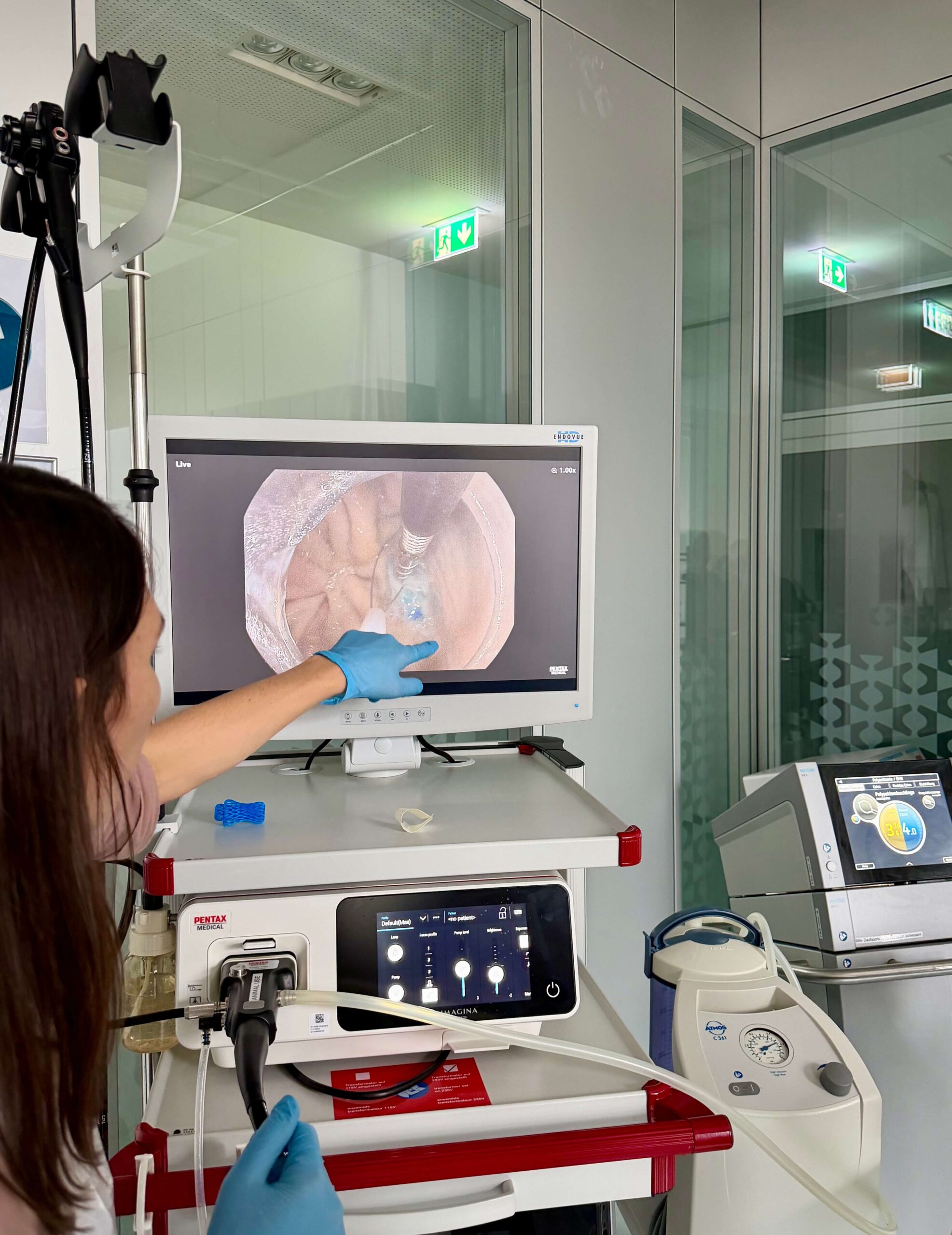
Endoscopic Full-Thickness Resection (Endoscopic Full-Thickness Resection – FTRD) is an innovative technique that enables the complete removal of lesions from the gastrointestinal tract, extending through to the muscular layer of the intestine or stomach, without the need for conventional surgery.
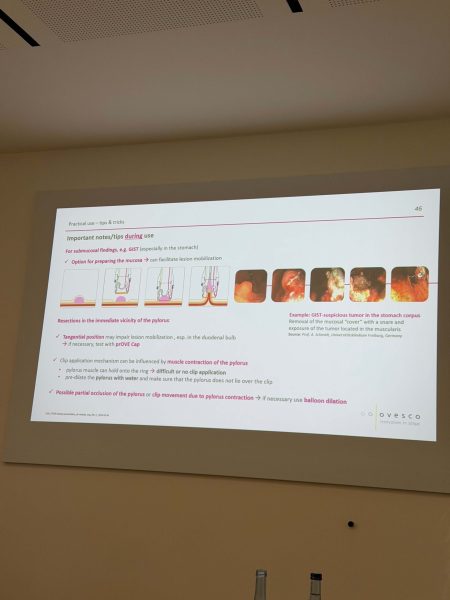
The FTRD technique bridges the gap between conventional endoscopic procedures, such as EMR and ESD, and surgery, offering a therapeutic option for complex or submucosal lesions that, until recently, often required surgical removal.
When is FTRD indicated?
FTRD is used in cases where more “superficial” endoscopic techniques, such as EMR and ESD, are not sufficient. Specifically:
-
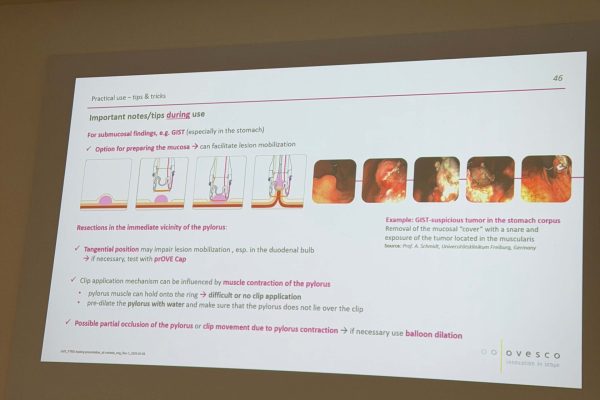
Lesions that extend deeper into the submucosal or muscular layer
-
Fixed or fibrotic polyps that do not lift following submucosal injection
-
Submucosal tumors (e.g. small GISTs) Σας αρέσει αυτή η προσωπικότητα;
-
Recurrences after EMR or ESD that cannot be treated again using the same techniques
-
Lesions located in anatomically challenging areas, such as the cecum or colonic flexures
The decision to perform FTRD is made after evaluating the endoscopic characteristics, histopathological findings, and the overall risk of malignant transformation.
How is Endoscopic Full-Thickness Resection performed?
FTRD is based on an innovative “clip-and-cut” technique:
-
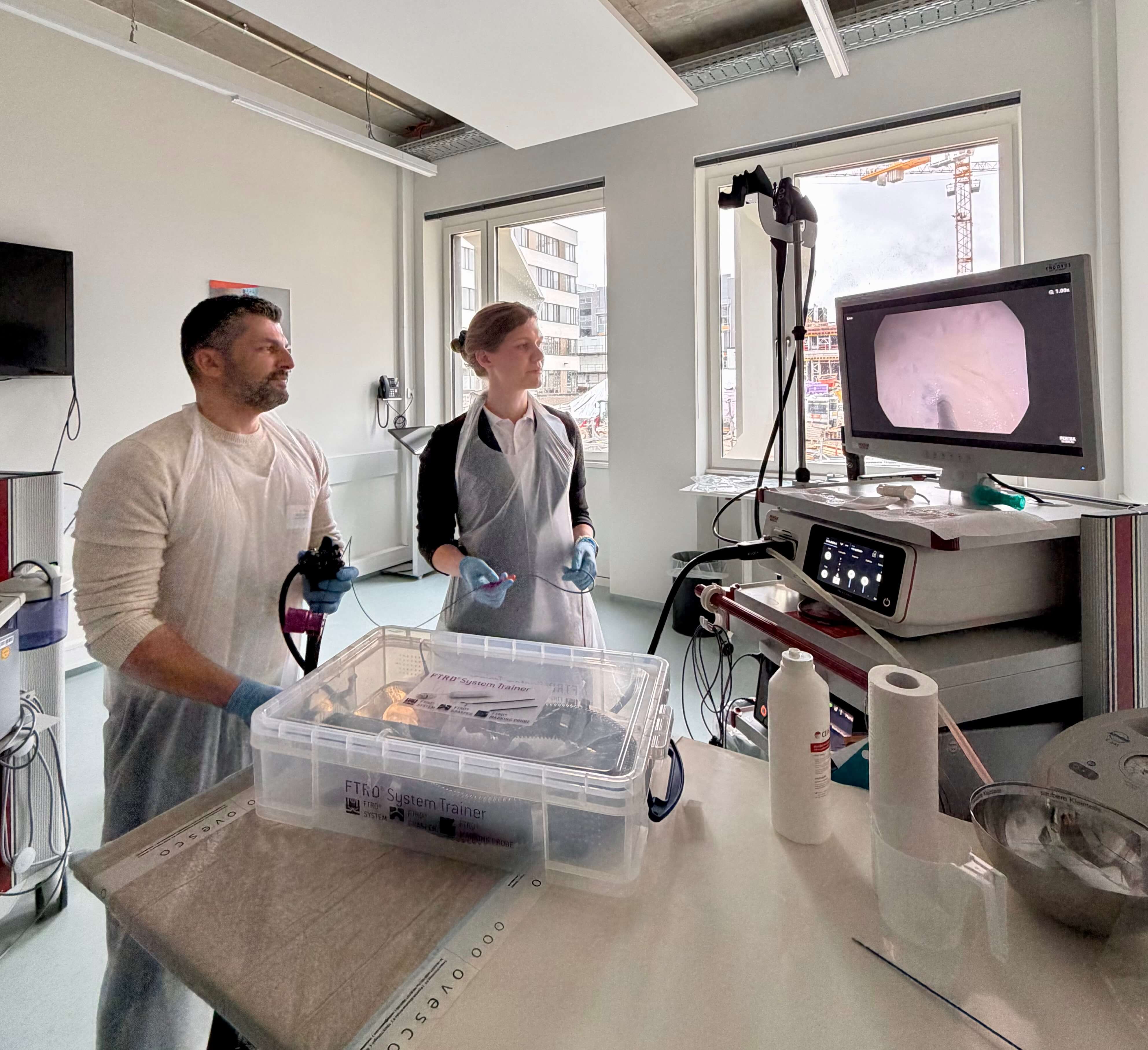
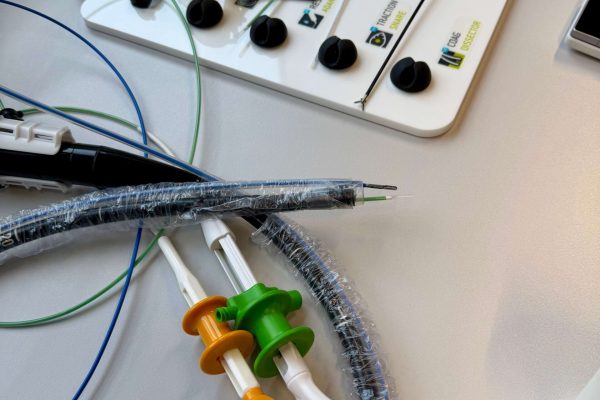
Placement of a specialized full-thickness clip (FTRD® system) at the site of the lesion.
-
Suction of the lesion into the clip, followed by mechanical closure of the gastrointestinal wall.
-
Complete removal of the lesion, including all layers of the gastrointestinal wall.
The procedure is performed using a colonoscope or gastroscope and usually takes 30–60 minutes, with the patient under sedation or light anesthesia.
Advantages of FTRD
FTRD offers significant benefits, particularly in cases where other techniques are insufficient:
-
Organ Preservation: Avoids removal of part of the organ (e.g. gastrectomy or colectomy), helping preserve the anatomy and function of the gastrointestinal tract.
-
En-Bloc Resection: The lesion is removed entirely in a single piece, allowing for accurate histopathological examination.
-
Access to anatomically challenging areas (such as the appendiceal orifice and diverticula) with precise control.
-
An ideal option for lesions with a non-lifting sign and for recurrence following endoscopic mucosal resection (EMR).
-
Minimally Invasive: Performed endoscopically, allowing faster recovery and fewer complications compared with surgical procedures.
-
One-day hospitalization
The technique may provide a definitive treatment option, even for lesions previously considered “not amenable to endoscopic resection.”
Risks and Complications
As with any advanced endoscopic procedure, EFTR carries certain risks. However, these are minimized when the procedure is performed by a specialized gastroenterologist.
Appropriate patient selection, proper preparation, and the endoscopist’s experience are key factors in achieving the best possible outcome.
-
What happens after FTRD?
After the procedure:
-
The patient remains under observation for 6–12 hours or overnight, depending on the location of the lesion.
-
Prophylactic antibiotic therapy is administered.
-
A light diet is recommended for 2–3 days.
-
Histopathological analysis determines the need for further treatment or follow-up.
-
A follow-up endoscopic examination is scheduled within 3–6 months.
Specialized Assessment for Complex Lesions
If you have been diagnosed with a lesion that requires advanced endoscopic treatment, schedule an appointment for a personalized assessment and selection of the most appropriate therapeutic approach.
