

Diarrhea / Constipation
Theodoros Argyropoulos, M.D., M.Sc., Ph.D.
Consultant Gastroenterologist, GNA “G. Gennimatas”
Contents
Diarrhea: Causes, Diagnosis, Diet & Management
Diarrhea is the discharge of watery or soft stools more than three times per day, resulting from a disturbance in the normal absorption of water and electrolytes by the intestine. It is one of the most frequent digestive symptoms — it may be transient and self‑limiting or may signal an underlying disease.



How it is classified
Frequent fluid loss leads to dehydration — especially in infants, the elderly, or patients with chronic diseases — and may be accompanied by abdominal pain, cramps, nausea, fever or weight loss.
Depending on duration, diarrhea is categorized as:
Acute diarrhea
Persistent diarrhea
15–30 days.
Chronic diarrhea
more than 30 days, often of non‑infectious origin.
Pseudo‑diarrhea
This is a condition where frequent small stools or a sensation of incomplete evacuation occur, without actual increased fluidity of stools. It is typically due to fecal impaction — when liquid stool “leaks” around hard masses in the colon, giving the false impression of diarrhea.
Most common causes of diarrhea
Infectious causes (common in acute diarrhea)
- Viruses: rotavirus, norovirus, adenovirus, astrovirus.
- Bacteria: Salmonella, Shigella, Campylobacter, E. coli (enterotoxigenic or hemorrhagic), Vibrio cholerae.
- Parasites: Giardia lamblia, Cryptosporidium, Entamoeba histolytica.
- Clostridioides difficile: often after antibiotic therapy.
Medication‑related causes
- Antibiotics (disruption of gut flora)
- Antacids containing magnesium
- NSAIDs, antihypertensives, chemotherapy drugs
- Sugar substitutes (sorbitol, mannitol)
Malabsorptive / intolerance causes
- Lactose intolerance
- Fructose malabsorption
- Celiac disease (gluten intolerance)
- Pancreatic insufficiency
Inflammatory and functional disorders
- Inflammatory bowel diseases (e.g. ulcerative colitis, Crohn’s disease)
- Microscopic colitis
- Irritable Bowel Syndrome (IBS‑D type)
- Colon cancer or other neoplasms of the large intestine
Other causes
- Hyperthyroidism
- Misuse of laxatives
- Surgeries (e.g. short‑bowel syndrome)
Diagnosis & Examinations
Diagnosis of diarrhea is based primarily on medical history and physical examination — taking into account duration, travel history, dietary habits, medications, and comorbidities.
Depending on the case, the following lab tests may be ordered
Blood tests
Stool tests
Malabsorption evaluation
tests for celiac disease, measurement of pancreatic enzymes.
In persistent or atypical cases, imaging (ultrasound) or endoscopy (gastroscopy, colonoscopy) may be needed.
Diet during diarrhea
Importance of rehydration
Replacement of fluids and electrolytes is essential. Recommended:
- Water, oral rehydration solutions, chamomile or decaffeinated tea.
- Avoid caffeine (increases diuresis and risk of dehydration).
-
Recommended foods
Small, frequent, light meals that ease digestion and reduce intestinal irritation. Ideal choices:
- Rice, pasta, boiled potatoes, oatmeal porridge
- Banana, peeled apple, rusks, crackers
- Plain soups and boiled vegetables
These support slow restoration of intestinal function and limit electrolyte loss.
-
Foods to avoid
- Dairy products (due to possible temporary lactose intolerance)
- Fried, fatty, or spicy foods
- Caffeine, alcohol, carbonated drinks
- Fruits very high in fructose or large quantity of fruit juice
- Lemon is not a “treatment” — on the contrary, in diets high in fructose it can worsen symptoms
Management & Therapeutic approach
Treatment depends on the cause and must be guided medically.
- Rehydration: oral rehydration solutions — or intravenous fluids in severe cases
- Anti‑diarrheal medication: only selectively — avoid self‑treatment with loperamide due to risk of worsening pain, arrhythmias or drug interactions
- Antibiotics: only when a bacterial infection is proven or strongly indicated
- Probiotics: may be used as adjunct therapy, especially after antibiotic use — always under medical supervision
- Etiological treatment: targeted therapy for C. difficile, amoebiasis, pancreatic insufficiency or inflammatory bowel disease
Contact Form
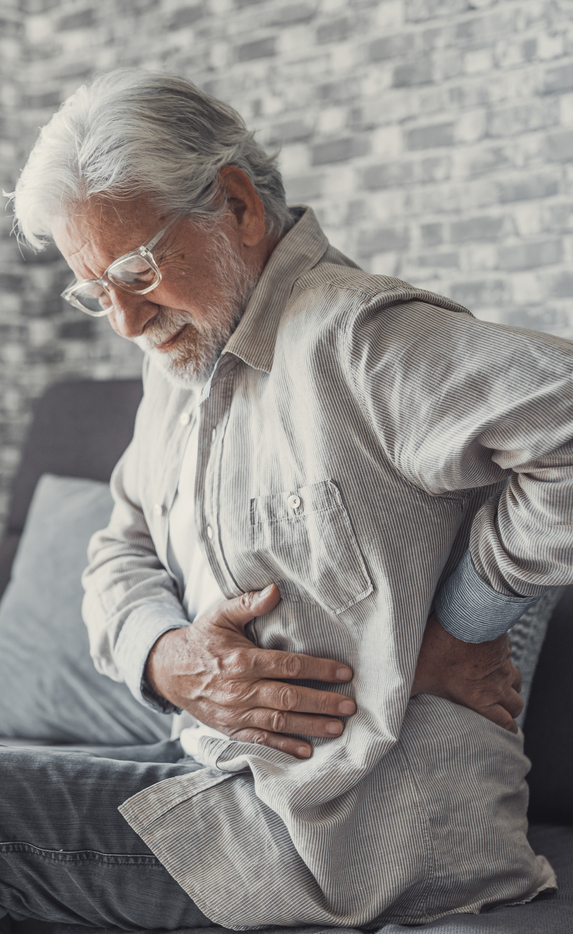
Diarrhea in the Elderly
Diarrhea in older people demands special care because there is increased risk of dehydration, electrolyte imbalances, and aggravation of chronic diseases.
Special instructions:
- Immediate rehydration: orally (water, rehydration solutions) or intravenously if needed
- Review of medications (e.g. laxatives, antibiotics, antihypertensives) that may trigger diarrhea
- Light diet of the BRAT-type (rice, banana, apple, toast, boiled potato); avoid dairy, fatty and spicy foods
- Early diagnostic work-up: blood and stool tests and — when indicated — endoscopy
- Caregivers: monitor fluid intake, stool frequency and signs of dehydration; maintain strict hygiene of hands and surfaces

Frequently Asked Questions (FAQ)
Do I always need to “stop” diarrhea?
Not always. The priority is rehydration. Anti‑diarrheal drugs are administered only under medical indication — especially if there is blood, fever or severe pain.
When should a stool culture be done?
What should I drink?
When to contact a gastroenterologist immediately?
If diarrhea persists for over 48 hours, there are more than 6 watery stools per 24h, blood or black stools, high fever (> 38.5 °C), intense abdominal pain or vomiting.
Special caution is needed for people over 70, those with heart disease, kidney disease, severe dehydration, people after antibiotic treatment (possible C. difficile infection), immunocompromised patients or pregnant women.
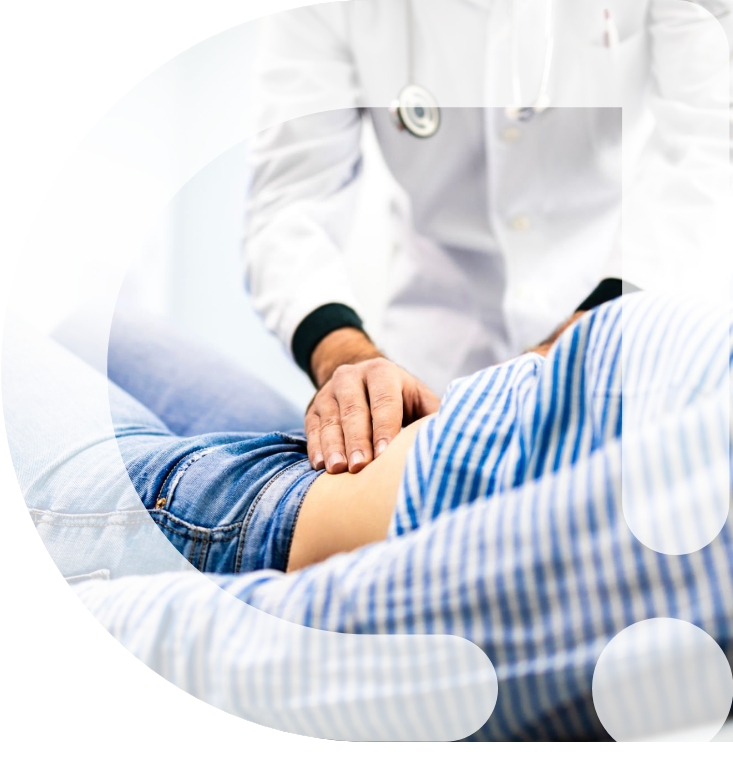
What causes constipation
-
Neurological & functional disorders
- Conditions affecting intestinal motility (e.g. Parkinson’s disease, multiple sclerosis, spinal cord lesions or pseudo‑obstruction). Also, disorders such as IBS or pelvic floor dyssynergia can cause “functional” constipation even without anatomical abnormality.
-
Endocrine & metabolic causes
- Hypothyroidism, diabetic neuropathy, hypercalcemia, hormonal changes during pregnancy — all may reduce colon motility.
-
Medications causing constipation
- Common culprits include opioids, anticholinergics, calcium channel blockers, diuretics, antipsychotics, antiepileptics, NSAIDs, iron, calcium, proton‑pump inhibitors (PPIs).
Constipation: Lifestyle & Diet
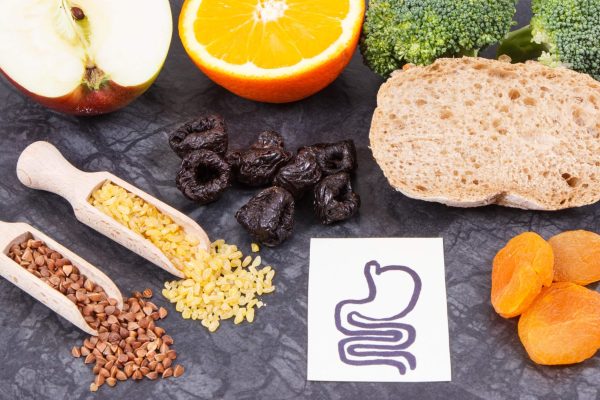
Low fiber intake, insufficient fluid intake, sedentary lifestyle, postponing bowel movements — all are frequent causes. Local pain (hemorrhoids, fissure) often leads to subconscious avoidance of defecation.
- Risk factors
- Sedentary lifestyle, low fluid intake, diet poor in fiber
- Age over 65
- Chronic neurological or endocrine diseases
- Diverticular disease, psychological or social factors

Constipation: Diagnosis – Examinations
- Individualized evaluation may include:
- Medical history & physical exam — assessing lifestyle and medications
- Colonoscopy (for age > 50, presence of “red flags” or recent change in bowel habits)
- Imaging: abdominal X‑ray, barium enema or CT scan, if needed
- Laboratory tests: thyroid, electrolytes, iron, diabetes screening
- In selected chronic constipation cases: motility tests or evaluation for pelvic floor dyssynergia

Constipation: Management & Immediate Relief
Dietary recommendations:
- Increase fiber: fruits (kiwi, prunes), vegetables, whole grains, oatmeal
- Fluids 1.5–2 L/day and a warm drink in the morning
- Walk 15–20 min after breakfast
- Do not delay the urge to go to the toilet
- Moderate coffee or warm drink in the morning (not excessive during the day)
- Gentle exercise (10–20 min walk) & scheduled toilet time after breakfast
Use laxatives only under medical advice for quick relief.
Toilet posture
Prevention & daily habits
- 25–35 g fiber/day + 1.5–2 L fluid (depending on needs) — prefer whole grains, well‑cooked legumes, vegetables & fruits with peel; olive‑oil‑based cooking instead of frying; adequate hydration.
- Keep a food–symptom diary for personalized guidance.
- Consistent routine: breakfast, then toilet visit.
- Light exercise (~150 min/week) to stimulate intestinal motility.
- Address pain from hemorrhoids or fissures, which often discourage bowel movements.
When to see a Gastroenterologist
Book a consultation if:
- Constipation appears for the first time or persists for more than 3 weeks
- There is no bowel movement for many days, there is pain, or formation of fecal impaction
- Multiple diseases coexist, you take several medications, or you need guidance for appropriate laxative use
- Immediate evaluation if there is blood in stool, anemia, weight loss, fever or vomiting
- Sudden change in bowel habits after 50 years old
- Palpable abdominal mass or signs of intestinal obstruction