

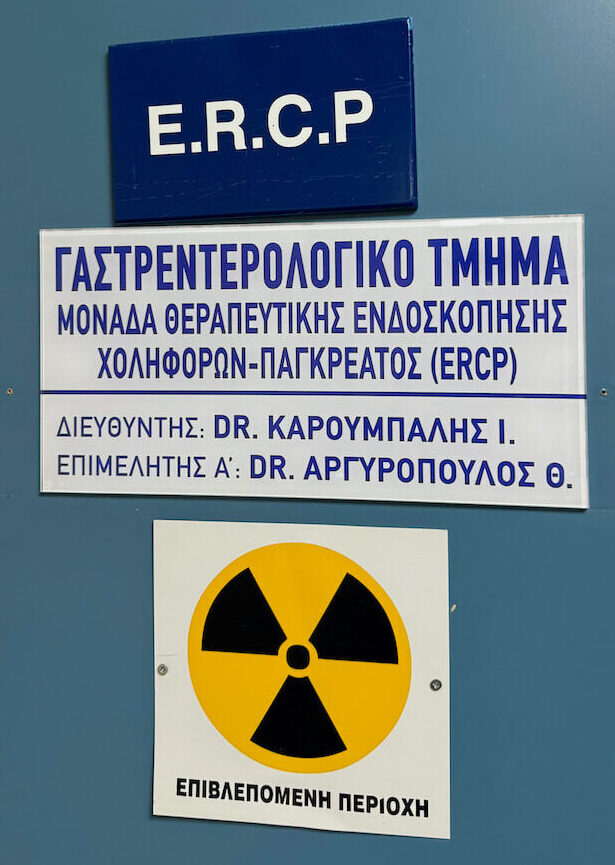
ERCP
Endoscopic Retrograde Cholangiopancreatography
More than 1,000 ERCP procedures performed
Extensive experience in interventional endoscopy of the biliary tract and pancreas.
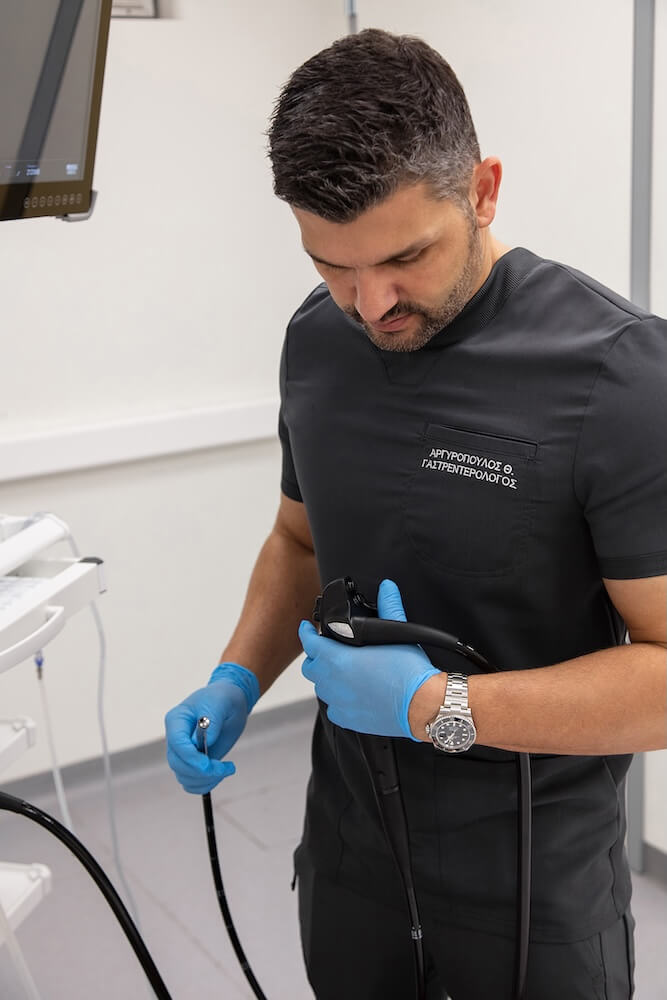
Theodoros Argyropoulos, M.D., M.Sc., Ph.D.
Senior Registrar in Gastroenterology, “G. Gennimatas” General Hospital
Scientific Director, Gastroenterology Department – Affidea Peristeri
What is ERCP?
Endoscopic Retrograde Cholangiopancreatography (ERCP) is a minimally invasive procedure that combines endoscopy and fluoroscopy to diagnose and treat diseases of the biliary tree and the pancreatic duct.
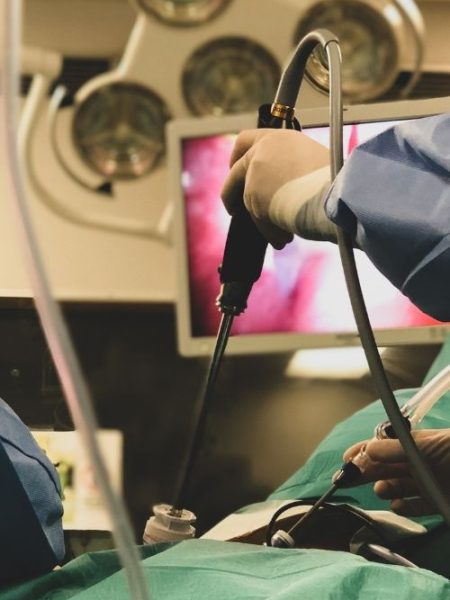
Using a specialized endoscope that reaches the ampulla of Vater, the physician can cannulate the ducts and perform targeted interventions such as sphincterotomy, stone extraction, dilatations, or stent placement.
ERCP is used today primarily as a therapeutic procedure, since purely diagnostic cases are covered by MRCP or endoscopic ultrasound (EUS). Thanks to its targeted approach, ERCP has replaced surgery in many cases, reducing recovery time and complications.

When is it indicated?
ERCP is indicated in cases where there is obstruction or dysfunction of the bile ducts or the pancreatic duct, such as:
- Choledocholithiasis – presence of stones or “biliary sludge” in the common bile duct, which may cause jaundice, cholangitis, or pancreatitis.
- Obstructive jaundice, either due to benign causes (strictures, post-traumatic injury, chronic pancreatitis) or malignancies (tumors of the bile ducts, pancreas, or duodenum).
- Biliary strictures after surgical procedures or inflammatory conditions.
- Bile leaks (e.g., after cholecystectomy or injury to the common bile duct).
- Restoration of duct patency in inoperable tumors of the area (bile ducts, pancreas, duodenum), through stent placement.
Preparation for ERCP
ERCP is a specialized endoscopic procedure that requires proper preparation to ensure the safety and success of the intervention.
Before the procedure:
-
Fasting is required for 6–8 hours, so that the stomach is empty, allowing clear visualization and safe execution of the procedure.
-
The patient should inform the physician about the use of anticoagulant or antiplatelet medications, any allergies, or serious comorbid conditions (cardiopulmonary, metabolic, etc.).
-
The procedure is performed in a hospital setting, with anesthesiology support and continuous monitoring of vital signs.
How is ERCP performed, what is the procedure?
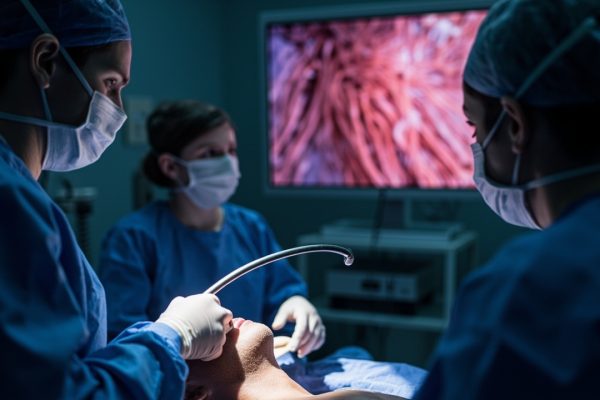
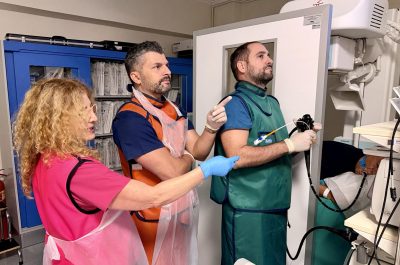
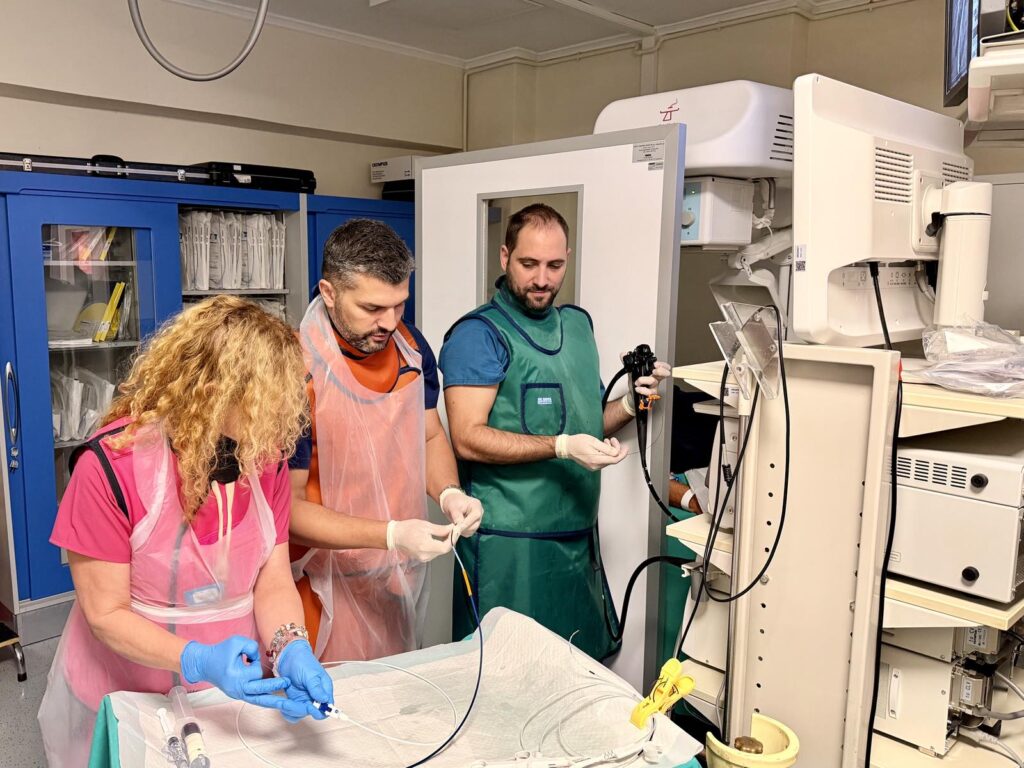
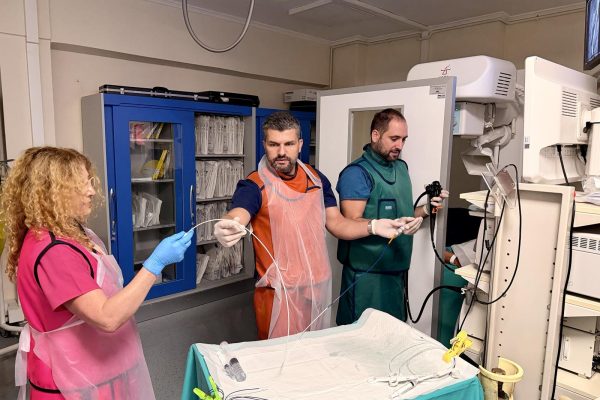
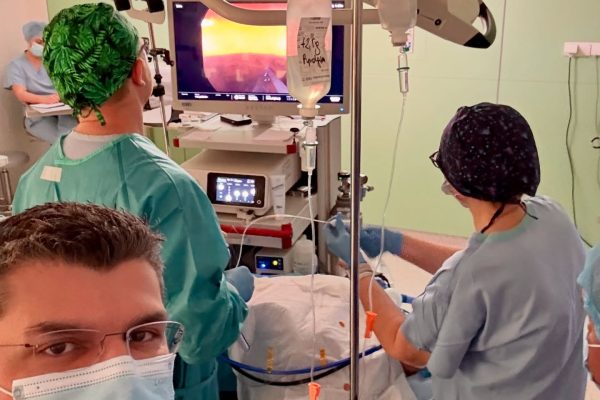
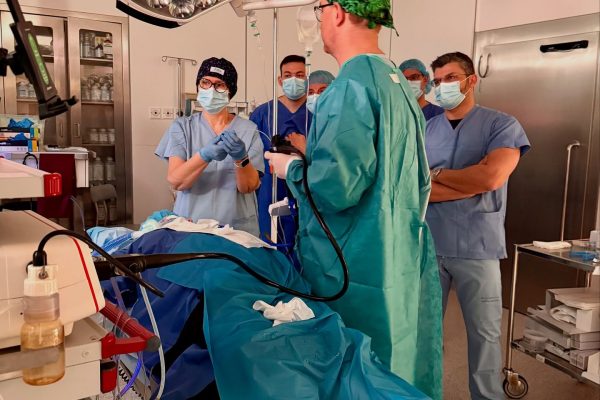
ERCP is performed in a specially equipped endoscopy suite, under anesthesiology supervision and mild intravenous sedation (sedation), so the patient does not feel discomfort during the examination.
During the procedure, the physician introduces a side-viewing duodenoscope through the mouth, advancing it sequentially through the esophagus and stomach into the duodenum, where the ampulla of Vater is located — the point where bile and pancreatic secretions enter the intestine.
At that site, cannulation of the sphincter of Oddi is performed, allowing the insertion of a special catheter through which contrast medium is injected. This enables real-time fluoroscopic imaging of the biliary and pancreatic ducts.
Depending on the findings, additional therapeutic interventions may be performed, such as:
- Sphincterotomy – a small incision to facilitate access and drainage.
- Stone or sludge removal from the bile ducts.
- Dilation of strictures with specialized balloons.
- Placement of plastic or metal stents to restore flow.
- Biopsy or cytology sampling for diagnostic purposes.
Το ChatGPT είπε: In selected cases, cholangioscopy (SpyGlass™) is used — the advancement of a very thin endoscope inside the bile duct, providing direct visualization, lithotripsy (stone fragmentation), and targeted biopsies of suspicious lesions.
Benefits, Risks & Recovery after ERCP
-
Benefits
- With the support of modern technology and the experience of the interventional endoscopist, ERCP is today a safe, detailed, and effective method for the diagnosis and treatment of biliary and pancreatic diseases. It offers:
- Avoidance of surgery, reducing hospitalization time and associated risks.
- Immediate decompression in cases of obstruction of the biliary system.
- Rapid relief from jaundice, pain, or inflammation.
- Therapeutic and diagnostic value in a single session.
Risks (Rare but possible)
- Although ERCP is considered safe when performed by an experienced interventional endoscopist, complications may occur, such as:
- Pancreatitis: the most common complication (1–5%), usually mild and self-limiting.
- Bleeding, mainly after sphincterotomy (1–3%).
- Perforation of the duodenum (very rare).
- Infection of the bile ducts (cholangitis), treated with antibiotics or drainage.
- The likelihood of serious complications is less than 5%, and most cases are managed promptly during or shortly after the procedure.
Recovery & Post-ERCP Instructions
- After the completion of the procedure:
- Usually, the patient is admitted one day before the procedure to complete the preoperative evaluation, and one day after the procedure for monitoring of any late or delayed adverse events.
- Avoid driving and making important decisions for the rest of the day due to the effects of sedation.
- Diet is resumed gradually, starting with clear liquids and soft foods, according to your physician’s instructions.
- You will receive personalized instructions regarding medication and follow-up.
- Personalized instructions will be provided regarding medication and follow-up. Contact your treating physician immediately if you experience: • Severe abdominal pain • Fever or chills • Vomiting or bleeding
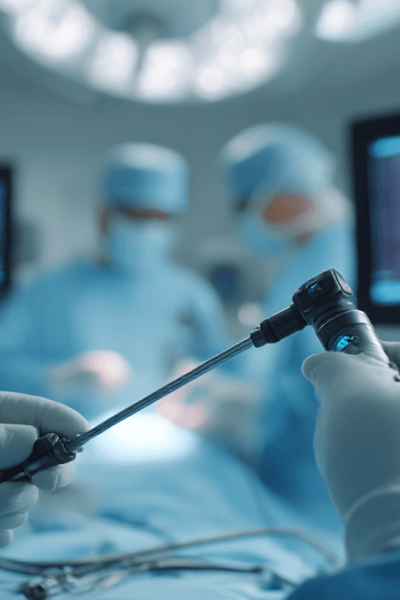
SpyGlass™ Cholangioscopy is an advanced endoscopic technique that allows direct visual inspection of the inside of the bile ducts, using a very thin and flexible endoscope that is inserted through the working channel of the standard duodenoscope during ERCP. Indications for use: • Indeterminate biliary strictures, where targeted biopsy sampling with high diagnostic accuracy is required — particularly in cases suspicious for malignancy or chronic inflammation. • Large or difficult stones in the common bile duct, managed with intraductal lithotripsy (laser or mechanical) under direct visualization, without the need for surgical intervention. The SpyGlass™ method is performed exclusively in specialized centers and works as a complementary tool to ERCP, offering: • More accurate diagnosis, • Targeted therapy, and • Reduced need for repeated or surgical procedures. With the use of SpyGlass™ technology, the gastroenterologist gains full, direct visualization of the biliary system, ensuring maximum accuracy and safety for the patient.

Frequently Asked Questions (FAQ)
Is ERCP painful?
No. The procedure is performed under sedation, so the patient does not feel pain or discomfort.
How long does it take?
How long will I need to stay in the hospital?
Experience That Makes a Difference
Dr. Theodoros Argyropoulos has performed more than 1,000 ERCP procedures, gaining extensive experience in the diagnosis and interventional treatment of biliary and pancreatic disorders.
At the hospital where he practices, more than 450–500 ERCP procedures are performed annually, providing continuous exposure to a broad range of cases, from routine to highly complex.