

Heartburn & Acid Reflux
Consultant Gastroenterologist, GNA “G. Gennimatas”
Head of Gastroenterology, Affidea Peristeri
Contents
What are “heartburn” and acid reflux?


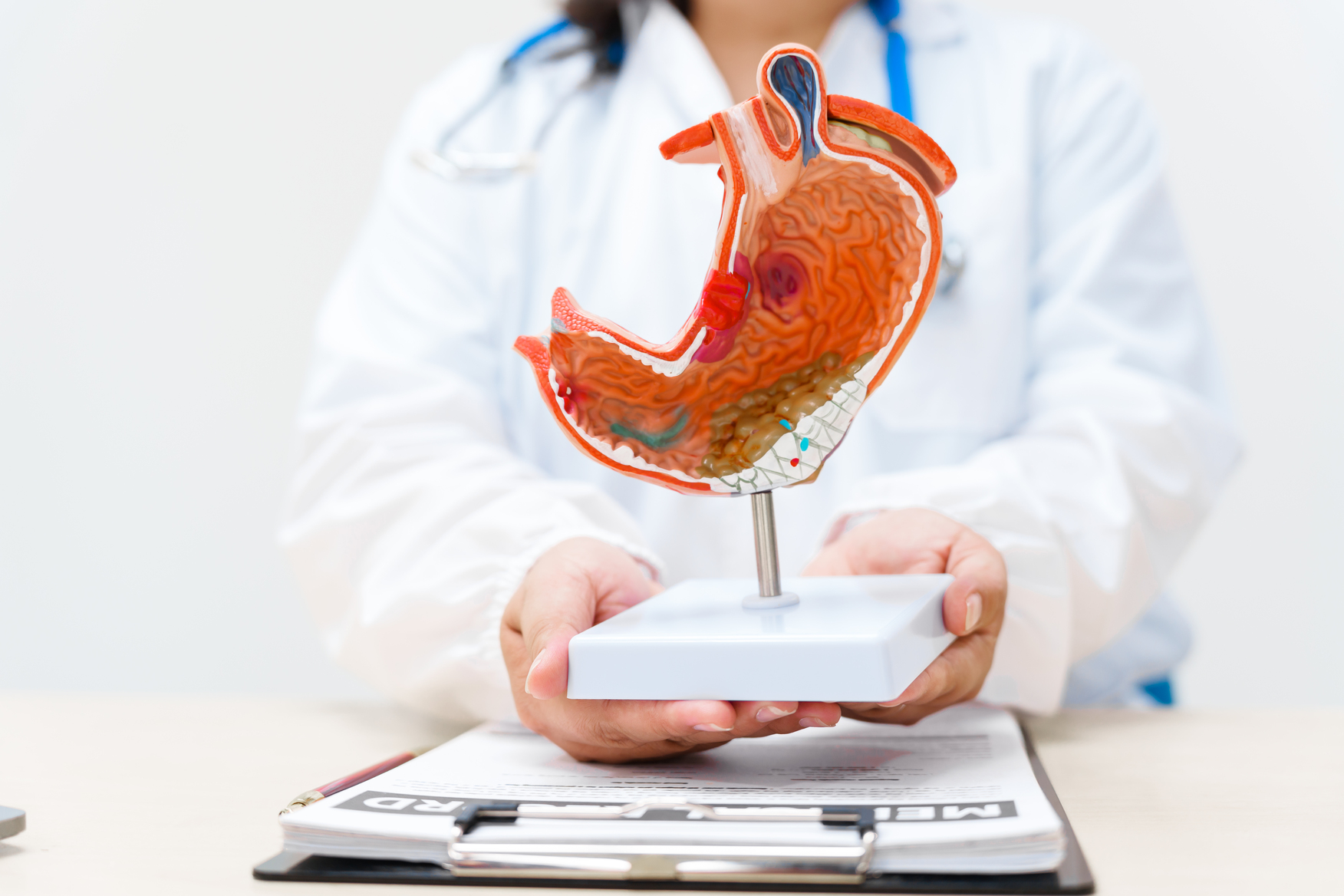
Main Symptoms of Gastroesophageal Reflux Disease (GERD)
Gastroesophageal Reflux Disease (GERD) is a common condition that causes bothersome symptoms in daily life, especially after meals or during the night. Early diagnosis and treatment reduce complications and significantly improve the patient’s quality of life.
Most common symptoms
Most patients report discomfort such as:
- Burning sensation behind the sternum, especially after meals or when lying down.
- Sour taste or the feeling that food or liquid is “coming back up” into the mouth.
- Difficulty swallowing or a sensation of a “lump” in the throat, worsened after eating.
- Hoarseness, sore throat, or chronic cough — especially at night.
- Bloating and epigastric pain, often mistaken for indigestion.
Symptoms may occur occasionally or daily, and are often worsened by factors such as stress, smoking, caffeine, alcohol, and large or fatty meals.
Why early diagnosis matters
If left untreated, GERD can lead to chronic irritation of the esophagus and, over time, may cause Barrett’s esophagus or esophageal strictures.
With proper medical guidance, personalized treatment, and simple lifestyle changes, the majority of patients achieve full control of their symptoms.
Why does it happen? (Simple explanation of the pathophysiology of heartburn)
The “valve” between the esophagus and stomach (lower esophageal sphincter) and the diaphragm’s crura function like a “locking lid.”
When:
- the sphincter relaxes more frequently or more intensely than normal,
- a hiatal hernia is present,
- gastric emptying is delayed,
acidic stomach contents can more easily reflux into the esophagus.
Factors such as obesity, large or fatty meals, alcohol, nicotine, caffeine, certain medications (e.g., anticholinergics, nitrates, opioids), and stress or poor sleep further worsen symptoms.
In some patients, visceral hypersensitivity is also present: even minimal acid exposure can trigger disproportionately intense symptoms.
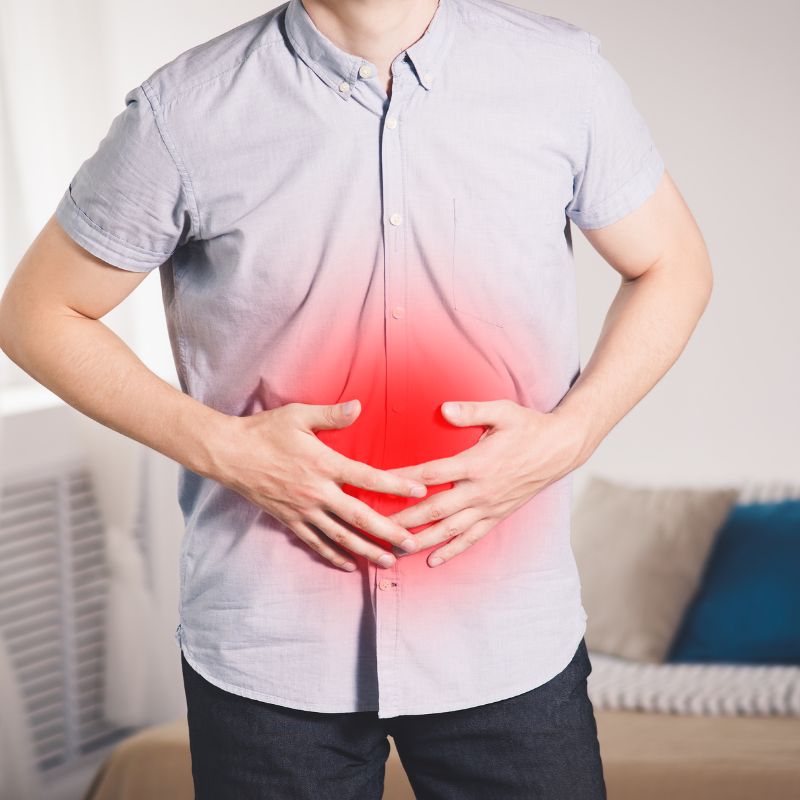
Diagnosis — What We Recommend
Diagnosis is based on medical history, clinical evaluation, and when indicated:
- Gastroscopy: assessment of esophagitis, hiatal hernia, and biopsies if needed (e.g., for Barrett’s esophagus or eosinophils).
- 24-hour pH monitoring ± impedance: correlation of symptoms with reflux episodes, especially in non-erosive GERD or prior to surgery.
- Esophageal manometry: when surgical or endoscopic intervention is considered, or in suspected motility disorders.
- H. pylori testing where appropriate.
Our goal is to distinguish which patients benefit from conservative treatment and which require more targeted interventions.
Treatment: Step-by-step
-
1. Lifestyle changes (the foundation of therapy)
- Small, frequent meals · avoid lying down for 2–3 hours after eating
- Elevate the head of the bed by ~15–20 cm (not just extra pillows)
- Weight loss when excess weight is present
- Limit: fatty/fried foods, large late-night meals, alcohol, caffeine, chocolate, mint, carbonated drinks
- Quit smoking, follow a gentler exercise routine
- Stress management/improved sleep (relaxation techniques, sleep hygiene)
-
2. Medication (personalized)
- Proton pump inhibitors (PPIs): first-line treatment. Usually taken once or twice daily before meals for 4–8 weeks, followed by re-evaluation (step-down or as needed).
- H2 receptor antagonists: useful at night or as adjunctive therapy.
- Antacids/alginates: for immediate, short-term relief.
- Prokinetics: in documented delayed gastric emptying.
- Dosage and administration are determined by the treating physician. Long-term, unnecessary self-medication should be avoided.
-
3. Interventional options (selected cases)
- Antireflux surgery (e.g. Nissen/Toupet): for patients with confirmed acid reflux, response to PPIs but need for long-term/high-dose therapy, documented hiatal hernia, or preference for a more definitive solution.
- Endoscopic techniques (carefully selected indications). The decision is made after pH monitoring/manometry and thorough discussion of benefits and risks.
Diet & GERD: A Practical Guide
What usually helps
- Small portions, thorough chewing of food
- Lean proteins, non-acidic/cooked vegetables, whole grains
- Mild low-fat dairy products (if they don't cause bloating for the patient)
- Hydration between meals · small sips with/after meals
What should be limited
- Very fatty/fried foods, large meal volumes, late dinners
- Alcohol, caffeine, chocolate, mint, carbonated drinks
- Foods that personally trigger symptoms (keep a “food diary”)
- “Acidic” foods are not the only concern; volume, fat content, timing of intake, and individual sensitivity play a greater role. Dietary adjustments should be personalized.

Frequently Asked Questions (FAQ)
How can I tell the difference between GERD and heart-related chest pain?
Gastroesophageal burning is common, but chest pain should always be medically evaluated to rule out a cardiac cause.
There is no visible esophagitis on the gastroscopy. Could I still have GERD?
Yes. The “non-erosive” form is common. pH monitoring with impedance can confirm or rule out pathological reflux and correlate episodes with symptoms.
Do I need to take PPIs forever?
Not necessarily. The goal is the lowest effective dose, with step-down therapy “when appropriate” in stabilized patients — always under medical supervision.
When should I consider surgery for gastroesophageal reflux disease (GERD)?
When the diagnosis is confirmed, symptoms do not improve with medication (PPIs) but require long-term or high-dose treatment, or when a significant hiatal hernia is present.
Are “acidic” foods to blame?
The issue is not just the food’s pH, but the overall “load” and volume in the stomach, timing of intake, fat/carbonation content, as well as individual factors (motility, sensitivity).
Does water worsen reflux?
Small sips of water help clear the esophagus. Avoid drinking large amounts of water with or immediately after meals, as well as carbonated beverages if they cause discomfort.
Does honey help with gastroesophageal reflux?
It may offer a soothing effect on the esophagus. If it doesn’t cause discomfort, it can be used occasionally — for example, a spoonful before bedtime.
Can I eat yogurt if I have reflux?
Low-fat yogurt is usually well tolerated, but it may cause bloating in some individuals. Keep a simple food diary and adjust based on your symptoms.
When should I book an appointment with a Gastroenterologist?
If you experience symptoms more than twice a week or they persist for over 4–8 weeks, it is advisable to seek medical evaluation.
Also, schedule an appointment if heartburn persists and:
- Lifestyle changes or over-the-counter medications do not provide relief.
- There are questions about further testing or possible surgical options.
⚠️ **Warning signs —**
Contact a gastroenterologist immediately if you experience:
- Difficulty swallowing that worsens or a sensation that food “sticks”.
- Unintentional weight loss or loss of appetite.
- Vomiting blood or black stools (melena).
- Persistent chest pain that does not subside or resembles cardiac pain.
These symptoms may indicate esophagitis, bleeding, or another serious condition requiring prompt evaluation.