

Gas / Βloating
Gas, Bloating, Flatulence
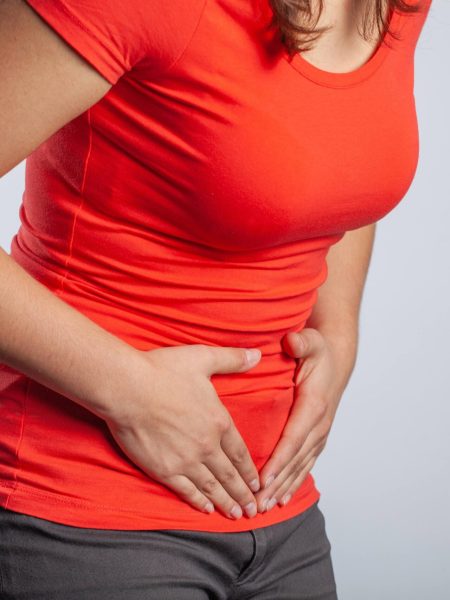
Trapped intestinal gas results either from swallowed air (aerophagia) or from bacterial fermentation of carbohydrates in the gut. Patients often report bloating, abdominal pressure or pain, borborygmi, as well as excessive belching or flatulence.
Although usually a benign functional disturbance, persistent symptoms or those accompanied by warning signs require further evaluation.
Theodoros Argyropoulos, M.D., M.Sc., Ph.D.
Consultant Gastroenterologist, GNA “G. Gennimatas”
Head of Gastroenterology, Affidea Peristeri
Most common causes of bloating
Diet / FODMAPs
Consuming foods rich in fermentable carbohydrates (FODMAPs)—such as legumes, cabbage, broccoli, onions, and carbonated beverages—leads to increased gas production due to fermentation by gut bacteria.
Intolerances and malabsorption
Dysbiosis / SIBO
Functional disorders
Irritable Bowel Syndrome (IBS): Bloating, altered bowel habits, and pain that improves after defecation.
Functional Dyspepsia: A sensation of pressure or fullness in the upper abdomen after meals.
Chronic Constipation: Leads to trapped gas and intestinal distension.
Malabsorption & digestive function disorders
Pancreatic insufficiency: Reduced enzyme production leads to incomplete digestion and increased gas.
Helicobacter pylori: Causes stomach inflammation and increased gas production, accompanied by epigastric discomfort.
Neurological & motility factors
Diabetic gastroparesis: Delayed stomach emptying, resulting in post-meal bloating.
Scleroderma and autoimmune disorders: Disrupt normal intestinal motility, causing excessive gas and flatulence.
Paralytic ileus: Temporary cessation of intestinal motility, typically postoperative or due to metabolic disturbances.
Gas: When is it normal?
Bloating and intestinal gas are among the most common causes of digestive discomfort and a frequent reason for visiting a Gastroenterologist. In most cases, they represent a temporary, functional, and benign symptom related to diet, eating habits, or stress.
When is medical evaluation needed?
Consult a Gastroenterologist if bloating:
- Persists for more than 2–3 weeks or progressively worsens
- Is accompanied by pain, diarrhea, constipation, or weight loss
- Occurs after every meal, even with small amounts of food
- Is associated with nausea, vomiting, or blood in the stool
- Is accompanied by anemia, fever, or nocturnal pain
- Does not improve despite dietary changes or over-the-counter products (OTC)
- Raises suspicion of intolerance, celiac disease, or small intestinal bacterial overgrowth (SIBO)
Management & Relief
The therapeutic approach to bloating and flatulence depends on the underlying cause, but almost always includes a combination of dietary modifications, motility regulation, and—when needed—medication.
The goal is to relieve symptoms with the minimal necessary interventions, without excessive dietary restrictions or unnecessary medication use.
Important: In many cases, bloating improves dramatically with simple daily habit changes—slower eating pace, reduced stress, and better hydration.
-
Habits & Diet
- Small, slow meals with thorough chewing
- Limit carbonated drinks, excessive coffee, and alcohol
- Walking or light movement after meals
- Reduction of high-FODMAP foods, always under the guidance of a dietitian
- Keeping a food–symptom diary to identify personal triggers

-
Targeted Interventions (based on the cause)
- Intolerances: use of lactase enzymes or dietary adjustment where indicated
- Constipation: increased fluid and fiber intake, motility regulation
- SIBO or dysbiosis: individualized medical treatment following evaluation
- Helicobacter pylori / pancreatic insufficiency: targeted therapy based on diagnosis
- Symptomatic relief: mild simethicone-based products can temporarily reduce gas.
Gas, Bloating, Abdominal Distension: Diagnosis
Diagnosis is individualized and focuses on identifying the underlying cause, not merely relieving the symptom.
The evaluation includes:
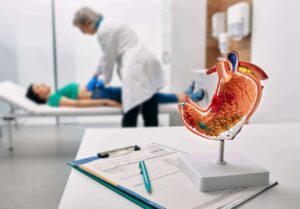
- Clinical examination and detailed medical history
- Blood tests (complete blood count, inflammatory markers, thyroid and liver function)
- Ultrasound of the upper/lower abdomen
- Stool testing (fat, blood, parasites)
- Testing for intolerances or celiac disease
- Endoscopic evaluation (gastroscopy or colonoscopy) when organic disease is suspected or symptoms persist.
- Early diagnosis helps identify functional or organic causes and guides appropriate treatment.

5 Foods That Reduce Bloating
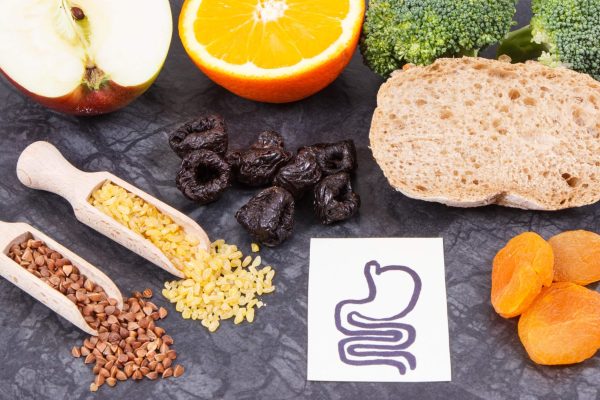
Ορισμένες τροφές συμβάλλουν φυσικά στη μείωση της δυσφορίας και στη βελτίωση της λειτουργίας του πεπτικού συστήματος:
- Αβοκάντο – Πλούσιο σε Κάλιο, μειώνει την κατακράτηση υγρών.
- Ανανάς – Περιέχει βρομελίνη, ένζυμο που βοηθά στην πέψη πρωτεϊνών.
- Σπαράγγια – Φυσική διουρητική δράση και υψηλή περιεκτικότητα σε φυτικές ίνες.
- Μάραθος (Φοινόκιο) – Τα αιθέρια έλαιά του χαλαρώνουν το έντερο και μειώνουν τα αέρια.
- Πιπερόριζα (Τζίντζερ) – Καταπραΰνει το στομάχι, βοηθά στην αποβολή αερίων μετά το γεύμα.
Do you often experience bloating or abdominal pain?
Do not ignore it.
Bloating, gas, or abdominal distension may be due to intolerances, digestive disorders, or microbial imbalance in the gut.
Accurate diagnosis is the first step toward targeted treatment and meaningful relief.