

Small Intestine Cancer
Theodoros Argyropoulos, M.D., M.Sc., Ph.D.
Consultant Gastroenterologist, GNA “G. Gennimatas”
Scientific Director, Affidea Peristeri Gastroenterology Unit
What Is Small Intestine Cancer?
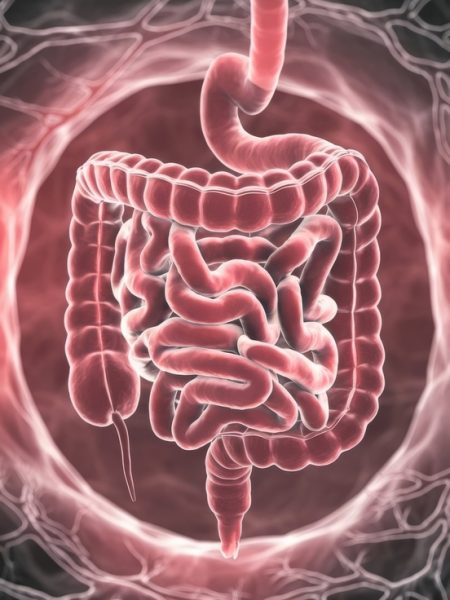
The small intestine (duodenum, jejunum, ileum) represents more than 70% of the length and 90% of the absorptive surface of the digestive system.
Primary tumors of the small intestine are rare, yet approximately 95% are malignant.
The most common types include:
- Adenocarcinoma (mainly in the duodenum)
- Neuroendocrine (carcinoid) tumors & lymphomas (more commonly in the jejunum and ileum)
- Sarcomas
- Metastatic tumors from other organs of the digestive or reproductive system
Although it is a rare form of cancer, the disease is often diagnosed at an advanced stage, as symptoms are non‑specific or mild in the early phase.
Early diagnosis and specialized surgical treatment are the most important factors for survival and prevention of recurrence.


Symptoms of Small Intestine Cancer
Small intestine cancer typically presents with non‑specific and gradually progressive symptoms, which often delay diagnosis.
- Diffuse abdominal pain or a sensation of pressure in the abdomen
- Palpable abdominal mass (in advanced cases)
- Rectal bleeding, melena, or occult blood loss leading to iron‑deficiency anemia
- Acute abdomen or intestinal obstruction (due to strictures or infiltration)
- Jaundice, especially when the tumor is located in the duodenum affecting the biliary tract
These symptoms require urgent gastroenterological or surgical assessment, as early investigation is critical for diagnosis and treatment.
Diagnosis
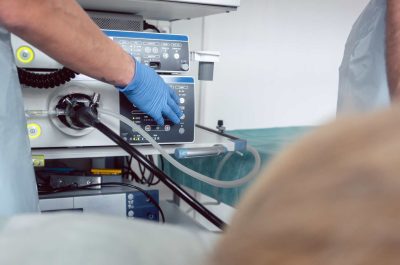
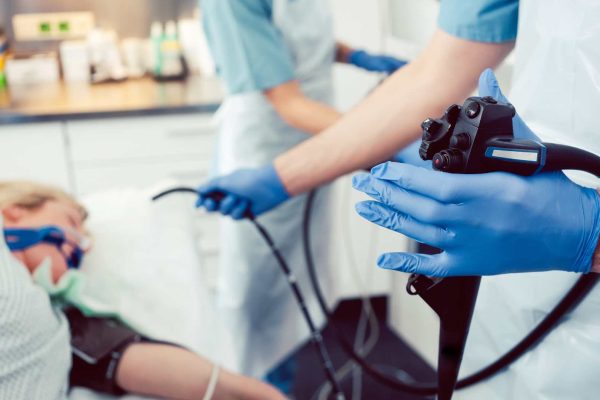
The diagnosis of small intestine cancer requires a combination of imaging and endoscopic examinations, due to the difficulty of accessing the full length of the intestine.
Enteroclysis — a radiological study using contrast agent, providing complete visualization of the small intestine and potential strictures or masses.
Endoscopy of proximal and distal segments:
- Gastroscopy — to evaluate the duodenum and proximal jejunum
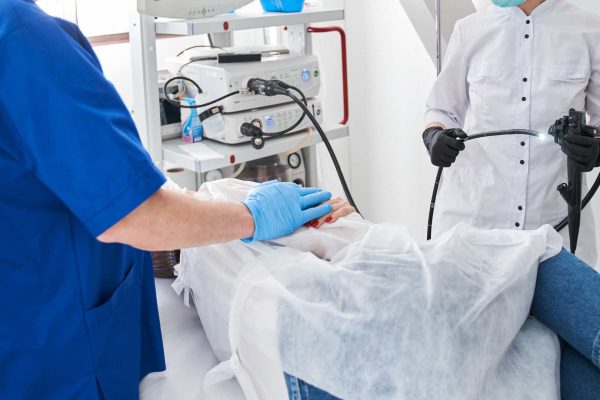
- Colonoscopy — to assess the terminal ileum
Capsule endoscopy — a non‑invasive method allowing full visual recording of the small intestine.
CT scan — identifies location, size, and extent of the lesion.
Newer techniques such as MR enterography, PET‑CT, and diagnostic laparoscopy support staging, detection of metastases, and biopsy for histological confirmation.
Accurate diagnosis determines the treatment plan and the possibility of radical surgical removal.
Causes & Risk Factors
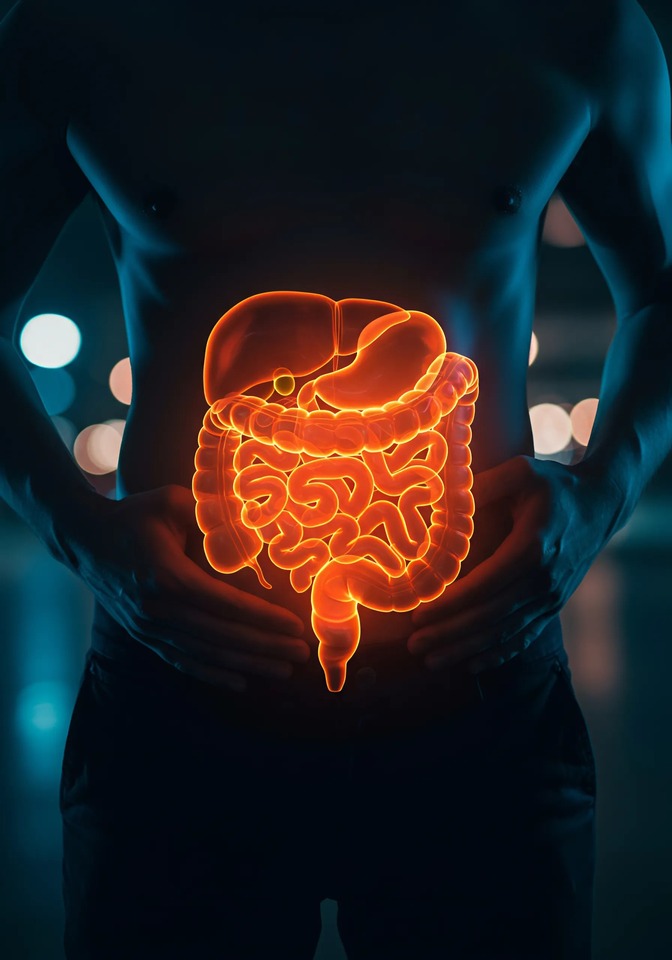
Although small intestine cancer is rare, several recognized risk factors increase the likelihood of developing the disease:
Inflammatory and genetic conditions
- Crohn’s Disease
- Celiac disease (gluten intolerance)
- Familial Adenomatous Polyposis (FAP)
Dietary factors
- Excessive consumption of alcohol, salt‑cured and smoked foods
- High intake of refined sugar and low dietary fiber
Immunosuppression
- Conditions such as AIDS or long‑term immunosuppressive treatment
⚠️ Early diagnosis and regular follow‑up in individuals with these risk factors is crucial for prevention and timely detection.
Treatment
Surgical resection is the main — and often the only radical — treatment for small intestine cancer.
-
Surgical treatment
- Segmental resection of the small intestine with lymph node dissection
- For duodenal tumors, pancreaticoduodenectomy (Whipple) is often required for complete removal
-
Adjuvant therapy Depending on the stage and histological type, chemotherapy and/or radiotherapy may be administered to reduce the risk of recurrence.
-
Prognosis Overall 5‑year survival exceeds 50%, with better prognosis in neuroendocrine tumors and poorer outcomes in adenocarcinomas.

Schedule a Visit
If you experience persistent abdominal pain, unexplained anemia, blood in stool, or signs of obstruction, seek immediate gastroenterological or surgical evaluation.
Early diagnosis determines treatment and significantly improves prognosis.