

Preventive Screening for Ages 50+
Colorectal cancer is one of the most common types of cancer worldwide, affecting both men and women. Despite its prevalence, it is one of the few cancers that can be effectively prevented when precancerous lesions—such as polyps—are detected early.
Preventive screening allows for the timely diagnosis and removal of these lesions before they progress to malignancy. In this way, mortality is significantly reduced and the likelihood of complete cure increases.
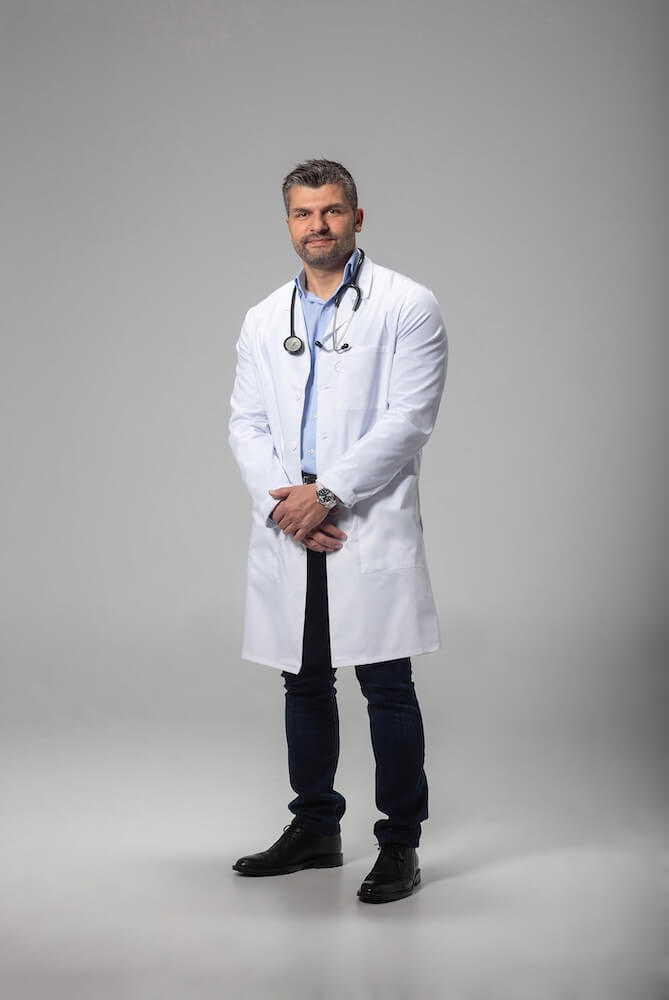
Theodoros Argyropoulos, M.D., M.Sc., Ph.D.
Consultant Gastroenterologist, General Hospital “G. Gennimatas”
Scientific Director, Affidea Peristeri Gastroenterology Unit
The Goal of Prevention
The prevention of colorectal cancer aims to:
- Identify polyps and early forms of cancer before they cause symptoms.
- Remove lesions that could develop into malignancy.
- Enable timely therapeutic intervention when early disease is already present.
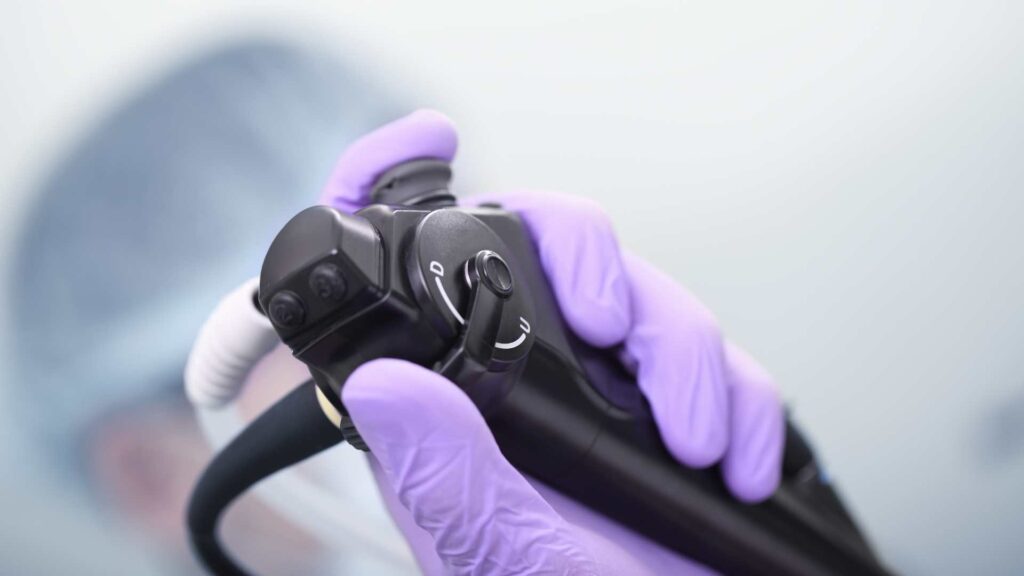
Colonoscopy is the most important preventive examination, as it allows both diagnosis and immediate removal of polyps during the same procedure.

When Preventive Screening Begins
According to the guidelines of the Hellenic Society of Gastroenterology:
- Screening begins at the age of 50 for men and women without a family history.
- It is repeated every 10 years, provided the initial colonoscopy is normal.
- Screening may begin earlier (at 40 or even 45 years) in cases of family history or other risk factors.
- Screening is recommended up to age 75, and beyond this age it is individualized.
High-Risk Groups
Certain individuals are at higher risk of developing colorectal cancer and require earlier or more frequent screening. These groups include:
-
Individuals with a family history of cancer or advanced polyps.
-
Patients with Inflammatory Bowel Disease (IBD), such as Ulcerative Colitis or Crohn’s Disease.
-
Individuals with a history of colorectal surgery.
-
Individuals with a history of polyps.
-
Individuals with hereditary syndromes, such as Familial Adenomatous Polyposis or Lynch Syndrome.

What does EOPYY cover?
EOPYY recognizes the importance of preventive screening and covers:
- Fecal occult blood testing every 2 years (ages 50–70).
- Colonoscopy every 5 years for men and women over 50.
- Annual colonoscopy for high-risk individuals (those with a family history or IBD).
The examination is performed with a referral from a specialist gastroenterologist.
Risk Factors
The development of colorectal cancer is influenced by genetic, environmental, and dietary factors:
- Obesity and sedentary lifestyle
- Smoking
- Excessive consumption of red or processed meat
- Low intake of fiber and fruits
- Excessive alcohol consumption
- Chronic intestinal inflammation (e.g., ulcerative colitis)
Conversely, a healthy diet, regular physical activity, and smoking cessation significantly reduce risk.




How You Can Protect Yourself
- Prevention is based both on early diagnosis and lifestyle modification.
- Maintain a healthy body weight
- Follow a diet rich in fiber, fruits, vegetables, legumes, and whole grains.
- Limit red and processed meat
- Avoid smoking and excessive alcohol consumption
- Avoid smoking and excessive alcohol consumption Incorporate at least 150 minutes of physical activity per week
- Consult a gastroenterologist for a personalized prevention plan

Frequently Asked Questions (FAQ)
Does a colonoscopy hurt?
If I have no symptoms, do I still need to be screened?
How often should I repeat a colonoscopy?
Every 10 years if the initial exam is normal, or sooner if polyps are found or if you belong to a high-risk group.
Are there alternative tests?
There are stool tests (hemoglobin, DNA), but they do not fully replace colonoscopy, which offers both diagnosis and treatment in the same procedure.
Prevention saves lives — especially when it starts early.
Contact Dr. Theodoros Argyropoulos to schedule your colorectal cancer screening and receive personalized preparation instructions.
Invest in your digestive health.