

Liver Screening
Liver health matters. Learn when you should get screened and what tests are involved.
Liver Follow-Up
Argyropoulos Theodoros, M.D., M.Sc., Ph.D.
Senior Registrar in Gastroenterology, G.N.A. “G. Gennimatas”
Scientific Director, Gastroenterology Department – Affidea Peristeri
What is liver screening?
Liver screening is a set of blood and clinical tests that assess the function of the liver and the biliary system.
It is a valuable diagnostic tool used by the gastroenterologist to detect inflammation, fatty infiltration, viral infections, cholestatic diseases, or early signs of liver failure.
The liver is a vital organ with dozens of functions — from detoxifying the body and regulating metabolism, to synthesizing proteins and clotting factors.
Any disturbance in its function can affect the entire organism.


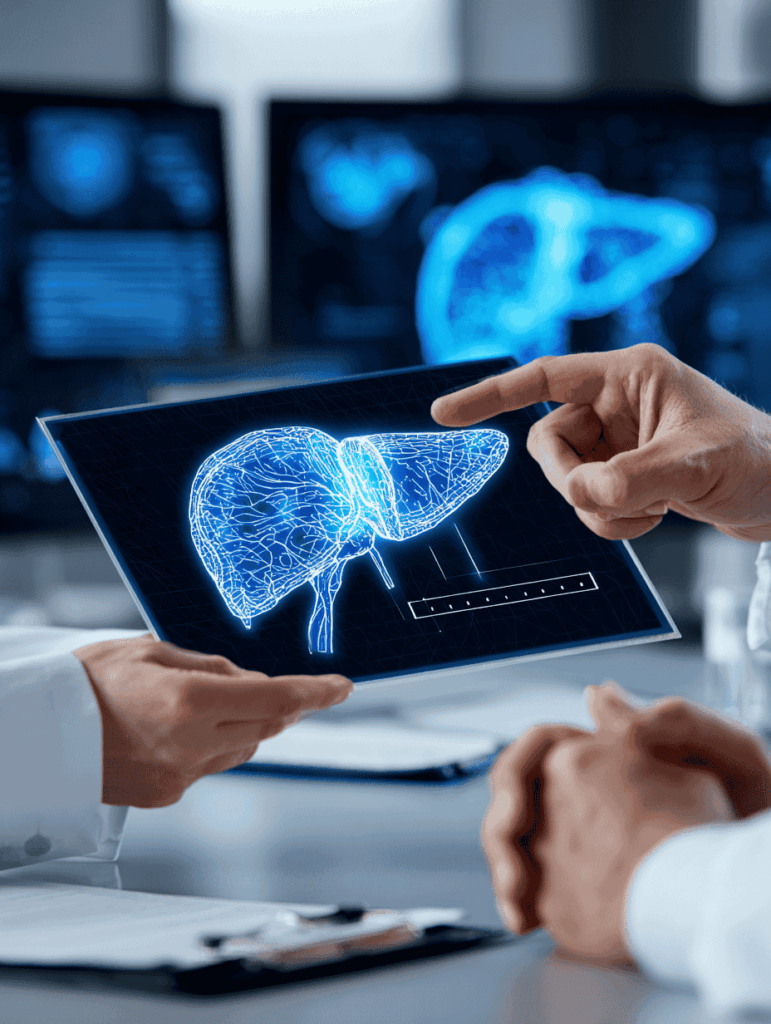
When is liver screening needed?
Dr. Argyropoulos Theodoros recommends liver screening in the following cases:
- Appearance of jaundice (yellowing of the skin or eyes)
- Unexplained fatigue or loss of appetite
- Abdominal pain or pressure sensation in the right upper quadrant
- Elevated liver enzymes in previous testing
- Use of medications or alcohol that burden the liver
- Obesity or diabetes mellitus (risk of fatty liver)
- History of hepatitis or hereditary liver diseases
- Preventive screening in individuals with a family history of liver disease
How is liver screening performed?
The examination is simple and painless.
A blood sample is required after 6–8 hours of fasting.
In certain cases, additional imaging (liver ultrasound or magnetic cholangiography) is recommended for a complete assessment of the liver’s morphology and function.
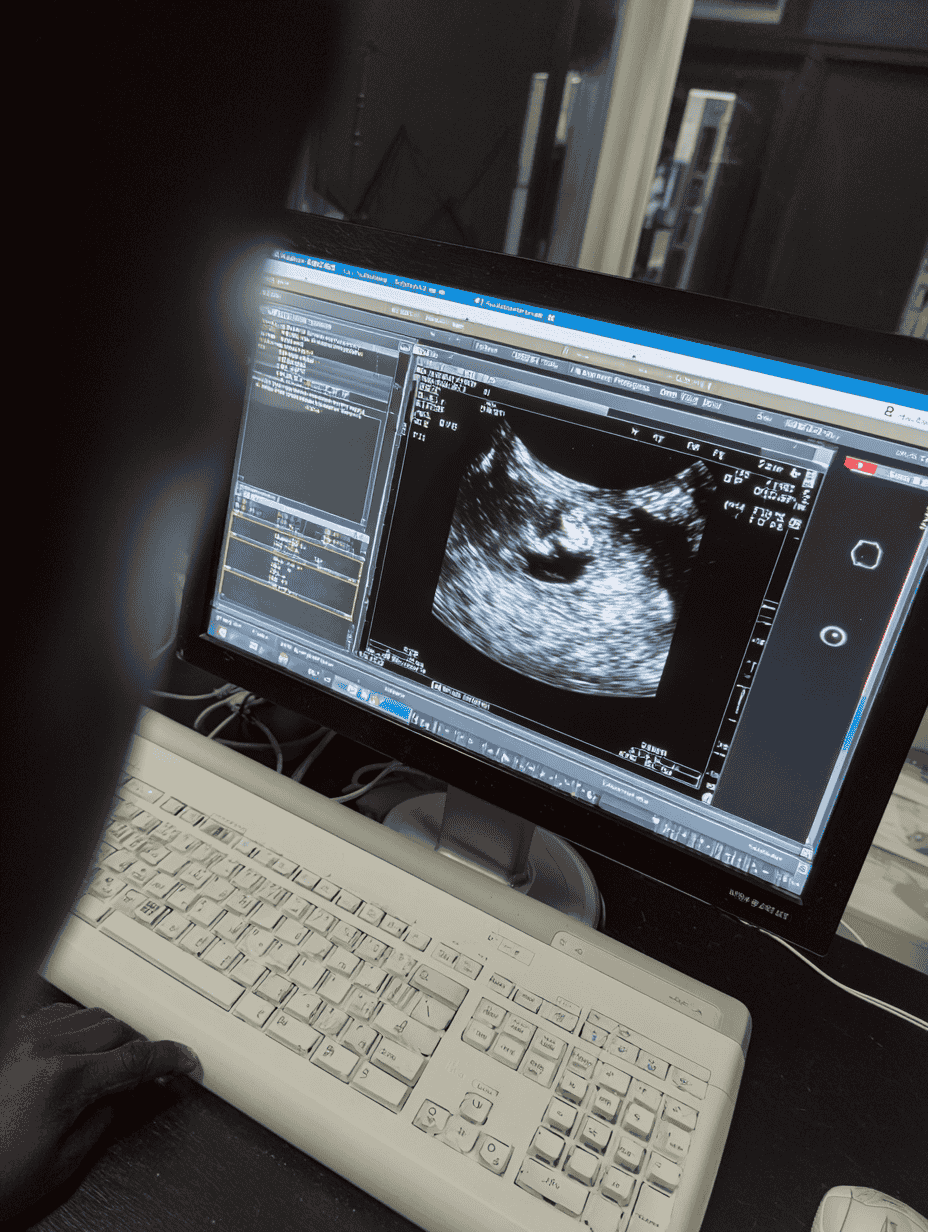
Main Groups of Tests
4.1 Liver Function Enzymes
Η αύξηση των ενζύμων αποτελεί ένδειξη κυτταρικής βλάβης ή χολόστασης:
| Test | Description | Interpretation |
|---|---|---|
| SGOT (AST) | Enzymatic marker of cell damage | Increased in hepatitis, cirrhosis, muscle injury |
| SGPT (ALT) | More specific marker of liver injury | High values → active inflammation |
| ALP | Enzymatic marker of cholestasis | Increased in obstruction or biliary tumors |
| γ-GT | Often elevated in cholestasis or alcoholic liver disease | Marker of alcohol consumption |
| 5-NU | Specialized biliary enzyme | Used to confirm cholestasis |
4.2 Bilirubin
Bilirubin is a pigment derived from the breakdown of red blood cells.
Its elevation causes jaundice and may be due to:
- Hemolysis (excessive destruction of red blood cells)
- Liver dysfunction (impaired processing)
- Obstruction of the bile ducts
The tests performed are:
- Total Bilirubin
- Direct Bilirubin
- Indirect Bilirubin
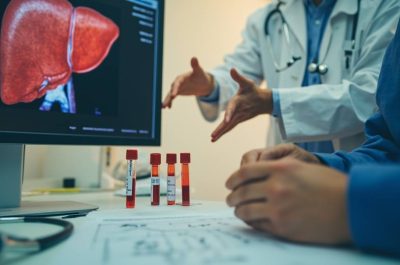

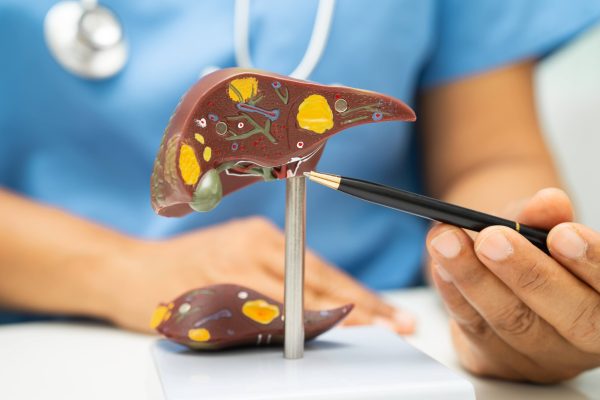
4.3 Proteins and Albumin
- The liver produces several important proteins:
- Albumin → the main plasma protein. Low levels indicate chronic liver disease or malnutrition.
- Total proteins → evaluate the liver’s overall protein synthesis capacity.
4.4 Additional Tests
- Depending on the patient’s profile:
- Viral hepatitis screening (HBsAg, Anti-HCV)
- Prothrombin time (PT) for coagulation assessment
- Alpha-fetoprotein (AFP) – marker for hepatocellular carcinoma
- Iron and ferritin levels for potential hemochromatosis
- Ammonia levels in cases of suspected hepatic encephalopathy
- Liver ultrasound / elastography to assess fibrosis
-
Common Causes of Liver Dysfunction
• Viral hepatitis (A, B, C, E)
• Fatty liver disease (NAFLD, NASH)
• Cirrhosis
• Drug-induced liver injury (DILI)
• Autoimmune hepatitis
• Alcohol-related liver disease
• Biliary obstruction (choledocholithiasis, strictures)
• Primary liver tumors or liver metastases
-
When is interventional evaluation needed?
In cases where blood tests or imaging indicate obstruction or a suspicious lesion, Dr. Argyropoulos may recommend:
- ERCP for diagnostic and therapeutic evaluation of the biliary system
- SpyGlass™ for direct cholangioscopy and targeted biopsies
- EUS (Endoscopic Ultrasound) for accurate assessment of lesions or masses
All interventional procedures are performed in a specialized clinical setting, with full anesthetic support and advanced endoscopic equipment.
Holistic Approach Dr. Argyropoulos Theodoros
Dr. Argyropoulos Theodoros evaluates the results in a combined manner, assessing:
• the AST/ALT ratio,
• the presence of cholestasis,
• and the correlation with imaging findings.
A comprehensive interpretation leads to an accurate diagnosis and prevents unnecessary interventions.
The physician’s approach combines:
• evidence-based medical practice,
• personalized follow-up,
• and guidance on dietary and pharmacological interventions.
The goal is to protect liver function and prevent chronic damage, through an integrated care model and continuous patient education.

If your liver function tests are elevated, you present signs of cholestasis, or you require a comprehensive liver evaluation, schedule a consultation with:
Argyropoulos Theodoros, M.D., M.Sc., Ph.D.
Gastroenterologist – Hepatologist