

Colon Cancer
The colon and rectum form the final part of the digestive system, where most of the water is absorbed and stool is formed and stored.
Theodoros Argyropoulos, M.D., M.Sc., Ph.D.
Consultant Gastroenterologist, GNA “G. Gennimatas”
Scientific Director, Affidea Peristeri Gastroenterology Department
Colon Cancer
Colon cancer is one of the most common malignancies of the digestive tract. Almost 9 out of 10 cases are diagnosed in individuals over 60. If detected and treated early, the chance of complete cure exceeds 90%.
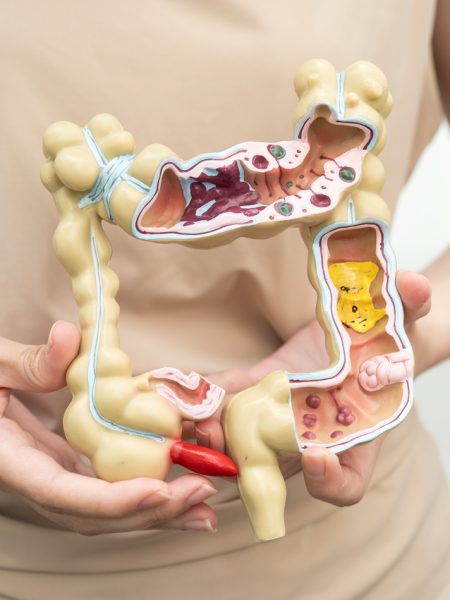
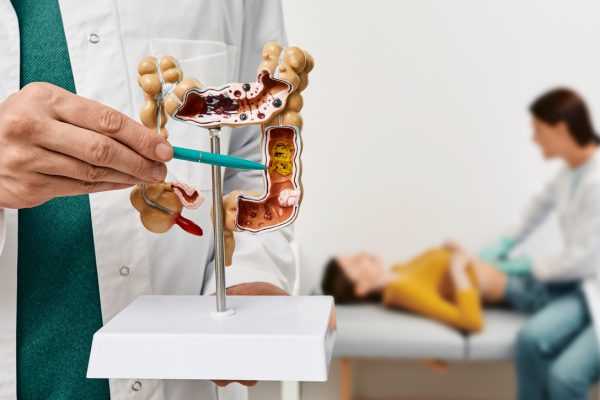
How it develops: It usually progresses slowly, starting from polyps (adenomas) that may become cancerous over time. The colon includes the cecum, ascending, transverse, descending, sigmoid colon, and rectum — and cancer can occur in any segment, with symptoms varying by location. Cancer cells can spread via blood or lymph, leading to metastases. Statistics:- 3rd most common cancer in both men and women
- Mortality rates are steadily decreasing in the last 20 years (due to prevention, early diagnosis, improved treatments)
- 5-year survival is ~90% when the disease is caught early — yet only ~40% of cases are diagnosed in early stages
Colorectal cancer is one of the most common cancers in Europe. Early diagnosis and evidence-based treatment, focused on surgical removal, have dramatically improved survival and quality of life.

Risk Factors
Medical – Genetic factors
– Personal or family history of colon polyps or cancer
– Chronic inflammatory bowel diseases (Crohn’s disease, ulcerative colitis)
– Hereditary syndromes such as Familial Adenomatous Polyposis (FAP) or Lynch syndrome
Lifestyle factors
– Low-fiber, high red/processed meat diet
– Lack of physical activity
– Obesity or excess weight
– Excessive alcohol consumption
– Smoking
Early Symptoms
In early stages, colon cancer may not cause any noticeable symptoms. When symptoms appear, they often include:
- Bowel habit changes (diarrhea, constipation, changes in stool consistency)
- Blood in stool or rectal bleeding
- Abdominal pain, bloating, or cramping
- Fatigue, weakness
- Unexplained weight loss
Prevention
The Role of Colonoscopy
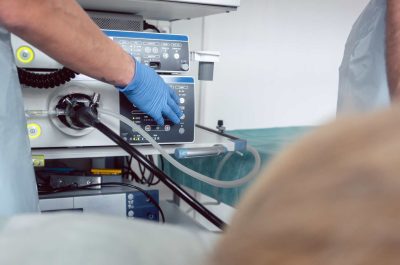
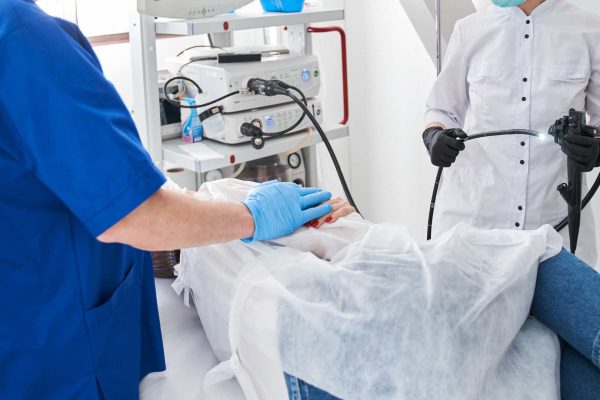
Colonoscopy is the most important preventive test for colon cancer. During the procedure, the Gastroenterologist can detect and remove polyps before they become malignant.
Recommendations:
Screening is advised for individuals over 50, every 10 years (if no findings).
If there is a family history of colon cancer or advanced polyps, screening should start earlier:
- 10 years before the youngest relative’s diagnosis, or
- At age 40 — whichever comes first
- Early detection leads to complete cure in most cases.

Symptoms
When to See a Doctor
In early stages, cancer or polyps may be asymptomatic. When symptoms occur, they may include:
- Blood in stool or rectal bleeding
- Changes in bowel habits (diarrhea, constipation, narrow stools)
- Abdominal pain, bloating, or fullness
- Unexplained weight loss or fatigue
- Episodes of ileus (bowel obstruction in advanced stages)
For any suspicious symptoms, endoscopic evaluation is essential for accurate diagnosis and timely treatment.
Diagnosis
The diagnosis of colon cancer relies on a combination of endoscopic, laboratory, and imaging tests — with colonoscopy being the most important.
-
Key Diagnostic Tools
- Colonoscopy: Direct detection of lesions, biopsy, and polyp removal
- Pathology report: Determines if tissue is benign, precancerous, or malignant
- CT Scan: 3D imaging of the abdomen and chest, assessing spread or metastases
-
Lab & Imaging Tests:
- Complete blood count → detects anemia from chronic blood loss
- Mayer test → detects occult blood in stool
- Tumor markers (CEA, Ca19-9) → support diagnosis and follow-up
- MRI → especially for rectal tumors, assessing local invasion
- Histopathology → confirms cancer type and stage
In cases where colonoscopy cannot be completed (e.g., obstruction), CT colonography is an alternative.


Treatment Options
- Treatment of colon cancer requires a multidisciplinary team (Oncology Board).
- Surgery (colectomy): cornerstone of treatment
- Chemotherapy / Immunotherapy / Targeted therapy: depends on stage and molecular profile
- Radiation therapy: mainly for rectal cancer
- Neoadjuvant therapy (chemoradiation): pre-surgical treatment for selected rectal cases
- Adjuvant chemotherapy: post-op treatment for stage II–III to reduce recurrence

Biopsy
- After surgery, the sample is sent for histopathological analysis to determine:
- Resection margins
- Number and condition of lymph nodes
- Disease staging (TNM)
- Based on the findings, it is decided whether adjuvant chemotherapy is needed to reduce recurrence risk. For rectal cancer, neoadjuvant chemoradiation is often used to shrink or downstage the tumor before surgery.
Metastases
The liver is the most common organ where colon cancer spreads
In advanced stages, the lungs are also a frequent site of metastasis.
Metastases are detected through:
- CT or MRI scans of the abdomen and chest
- Special blood tests (CEA, Ca19-9)
The identification of metastatic disease determines the personalized treatment plan, which may include surgery, chemotherapy, or targeted therapies.

Schedule an appointment for evaluation.
Colon cancer is preventable and curable when diagnosed early. Colonoscopy saves lives by allowing prevention through polyp removal.