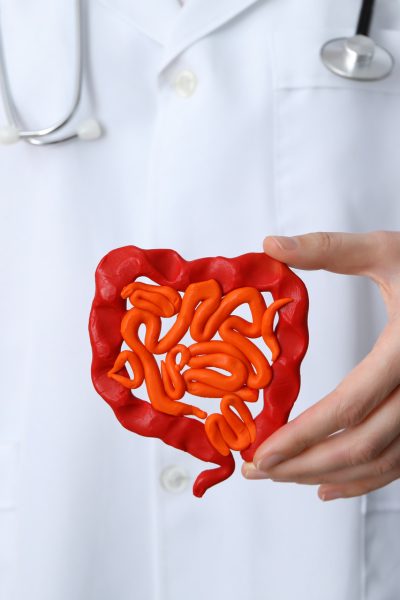

Colon or Small Intestine Cancer
Two distinct forms of malignancy in the digestive system, with different frequency, symptoms, and diagnostic approach.
Theodoros Argyropoulos, M.D., M.Sc., Ph.D.
Consultant Gastroenterologist (A’ Grade), GNA “G. Gennimatas”
Scientific Director at
Affidea Peristeri Gastroenterology Department
What it is:
One of the most common forms of cancer, which typically begins as benign polyps on the inner wall of the colon and gradually evolves into malignancy.
Location:
Colon – the part of the intestine that follows the small intestine.
Frequency:
Very common, especially after the age of 60, with rising incidence in younger adults.
Symptoms:
– Changes in bowel habits (diarrhea, constipation, alternating patterns)
– Blood in stool (bright red or dark)
– Abdominal pain, cramps, bloating, sensation of incomplete evacuation
– Unexplained fatigue, weight loss, iron-deficiency anemia
Prevention & Diagnosis:
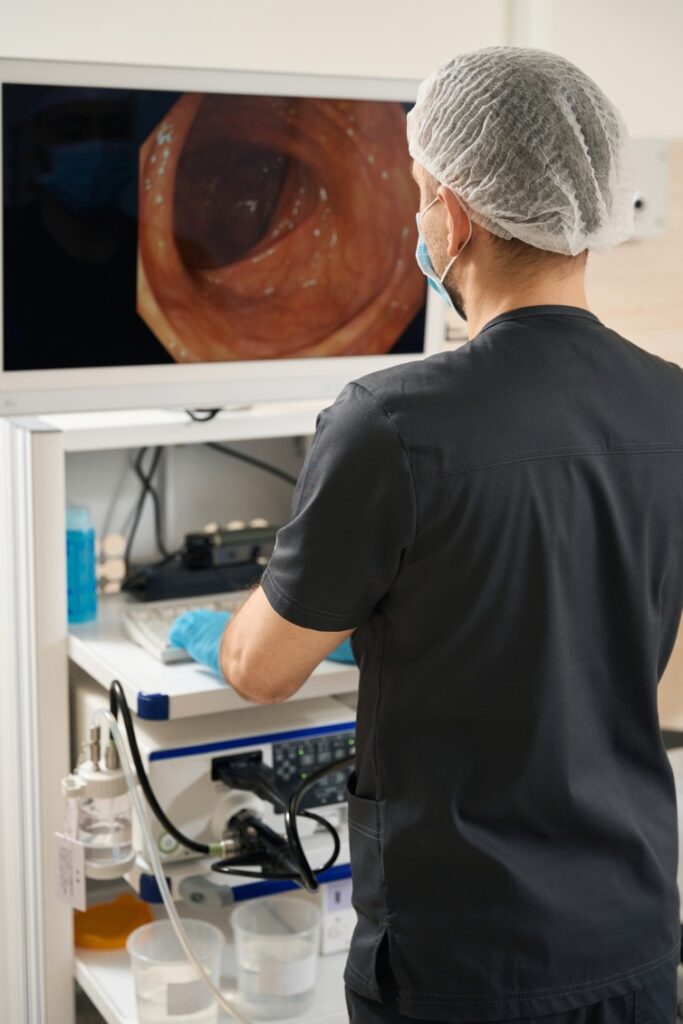
– Colonoscopy: The most important test — allows detection and removal of polyps before they become cancerous.
– Recommended from age 50 and above, or earlier in individuals with a family history.
– Additional tests: blood work, stool tests, imaging when needed.

What it is:
A rare cancer that develops in the small intestine, which connects the stomach to the colon.
Location:
Small intestine (duodenum, jejunum, ileum).
Frequency:
Much rarer than colon cancer.
Symptoms:
– Persistent abdominal pain
– Nausea, vomiting, weight loss
– Bleeding or signs of anemia
– Less commonly: bowel obstruction (ileus) or ulcer
Types:
Adenocarcinoma, leiomyosarcoma, carcinoid tumors, lymphoma, GIST.
Diagnosis & Treatment:
– Tests: endoscopy, CT/MR enterography, biopsy
– Treatment: surgical removal of the tumor, sometimes chemotherapy or targeted therapy depending on the type, stage, and location.
Common Features & Differences
| Parameter | Colon Cancer | Small Intestine Cancer |
| Frequency | Very common | Rare |
| Onset | Typically from polyps | From neoplastic cell transformation |
| Symptoms | Changes in bowel habits, blood in stool | Abdominal pain, nausea, weight loss |
| Diagnosis | Colonoscopy | Imaging & endoscopic evaluation |
| Prevention | Possible (through colonoscopy) | Difficult due to rarity |
| Metastases | Liver, lungs, brain | Liver, lymph nodes, peritoneum |
Key Takeaways
Colon cancer is preventable with regular screening.
Small intestine cancer is rare but should be investigated when unexplained symptoms are present.