

Irritable Bowel Syndrome (IBS)
or simply… “Spastic Colitis”
Irritable Bowel Syndrome (IBS) is a chronic functional disorder of the intestine characterized by abdominal pain, bloating, and changes in bowel habits (diarrhea, constipation, or alternating between the two), without any identifiable organic cause.
It is the most common gastrointestinal condition, affecting up to 20% of the Greek population, mainly women and young adults.
Theodoros Argyropoulos, M.D., M.Sc., Ph.D.
Consultant Gastroenterologist (A’ Grade), GNA “G. Gennimatas”
Scientific Director, Gastroenterology Department, Affidea Peristeri
Contents
What exactly is Irritable Bowel Syndrome?
Irritable Bowel Syndrome (or spastic enterocolitis) is a functional gastrointestinal disorder — meaning there is no visible or structural damage to the digestive tract — that primarily affects the large intestine (colon).
The exact cause remains unknown, but it appears to be due to a combination of factors, such as abnormal intestinal contractions, heightened pain sensitivity, and disturbances in the communication between the brain and the enteric nervous system (the brain–gut axis).


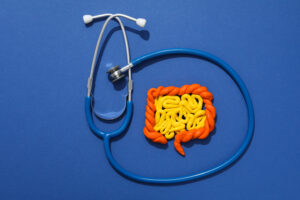
What happens in the intestine?
In IBS, the intestine overreacts to normal stimuli, showing increased sensitivity and irregular contractions.
Patients may experience:
- Abdominal pain or discomfort, often relieved after bowel movement
- Abdominal bloating (meteorism) and changes in bowel habits
- Alternating diarrhea (IBS-D), constipation (IBS-C), or a combination of both (IBS-A)
In some cases, IBS may appear after an intestinal infection (post-infectious IBS‑PI) or following intense psychological stress.
Causes and Pathogenesis of Spastic Colitis
The etiology of IBS is not fully understood. The main factors believed to be involved include:
Dysregulation of the “brain–gut axis”, meaning impaired communication between the nervous system and the digestive tract
Visceral hypersensitivity to stimuli (even normal ones)
Altered gut microbiota (dysbiosis)
Post‑infectious inflammation or mild immune activation
Psychological factors (anxiety, stress, depression)
What are the main symptoms?
Irritable Bowel Syndrome (IBS) is characterized by chronic abdominal pain or discomfort, accompanied by diarrhea, constipation, or alternating between the two. Symptoms vary from person to person and are often worsened by stress or certain foods.
Main symptoms:
Abdominal pain or cramps, which improve after bowel movement
Sensation of incomplete bowel evacuation
Bloating and meteorism (excess gas)
Altered bowel habits:
IBS‑D (diarrhea‑predominant type)
IBS‑C (constipation‑predominant type)
IBS‑M (mixed type)
Nausea, fatigue, headaches, myalgias or lower back pain, as associated extra‑intestinal symptoms
How is the diagnosis made?
IBS is diagnosed clinically and the diagnosis is established after excluding other conditions with similar symptoms.
-
Rome IV Criteria
Recurrent abdominal pain ≥1 day/week for 3 months, with at least 2 of the following:
• Related to defecation
• Change in stool frequency
• Change in stool form
-
Subtypes:
IBS‑D (diarrhea), IBS‑C (constipation), IBS‑M (mixed), IBS‑U (unclassified).
-
Exclusion of other causes (“Red Flags”):
Weight loss, blood in stool, anemia, fever, onset after age 50, family history of cancer/IBD.
In these cases, colonoscopy or targeted testing may be necessary (e.g. celiac disease, lactose intolerance).
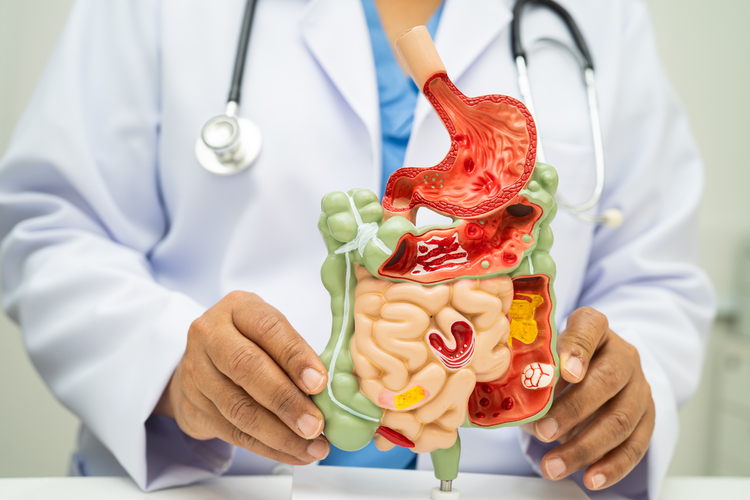
There is no single “test for IBS”. The diagnosis is based on medical history, clinical evaluation, and the exclusion of other diseases, allowing for personalized treatment.
Management of Irritable Bowel Syndrome (IBS)
Education & Reassurance
-
Proper information and a trusted doctor–patient relationship are essential. IBS is a benign condition that requires a personalized approach.
- Avoid foods that cause bloating (legumes, sodas, bananas)
- Limit lactose if it causes symptoms
- Increase soluble fiber in constipation, reduce it during flare‑ups
- Eat small and regular meals
Medication
- Depending on the subtype:
- IBS‑D: loperamide, hydration
- IBS‑C: soluble fiber, mild laxatives
- IBS‑M: combination treatment and self‑management
- Pain/spasms: antispasmodics or anxiolytics, low‑dose antidepressants
Complementary Therapies
- Probiotics, acupuncture, or herbal preparations may help — always under medical guidance.
Irritable Bowel Syndrome – Clinical Evaluation
Irritable Bowel Syndrome is not dangerous, but it can significantly affect the quality of life and emotional well‑being of the patient.
A holistic approach — combining medical follow‑up, nutritional guidance, and psychological support — forms the basis for long‑term relief.
Follow‑up by a specialized Gastroenterologist is essential for:
• excluding serious conditions,
• selecting personalized treatment,
• and gradually restoring normal bowel function.
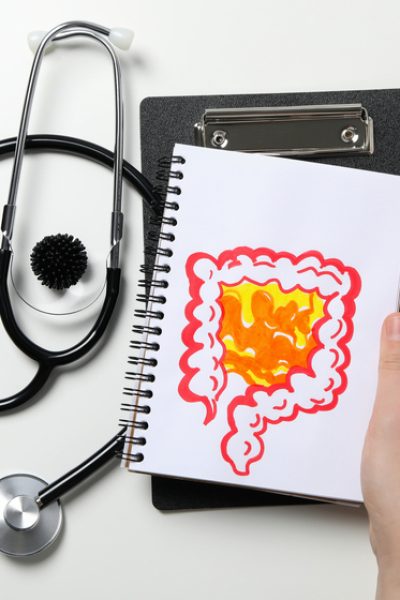

Frequently Asked Questions (FAQ)
What is the role of diet in IBS?
What foods should I prefer?
- Fruits & vegetables (preferably with skin)
- Whole grain cereals, wholemeal bread, oats
- Legumes in small amounts, with lemon to reduce gas
- Adequate water intake (1.5–2 liters/day)
- Small and frequent meals
What should I limit or avoid?
- 🚫 Processed foods (white bread, sweets, fast food)
- 🚫 Fried foods, carbonated drinks, gas-producing vegetables (broccoli, cauliflower)
- 🚫 Bran or All Bran® without medical guidance
How much fiber do I need daily?
How does stress affect IBS?
What is life like with IBS?
How often should I be monitored?
Initially, follow-up is recommended every 6–12 weeks, and then based on progress.
Contact your doctor immediately if “red flags” appear such as unexplained weight loss, blood in stool, anemia, or nighttime symptoms.
For a personalized treatment plan, book an appointment.