

Gastroscopy
Endoscopic evaluation of the esophagus, stomach, and duodenum with precision and safety.
Theodoros Argyropoulos, M.D., M.Sc., Ph.D.
Senior Registrar in Gastroenterology, “G. Gennimatas” General Hospital
Scientific Director, Gastroenterology Department – Affidea Peristeri
Contents
What is gastroscopy?
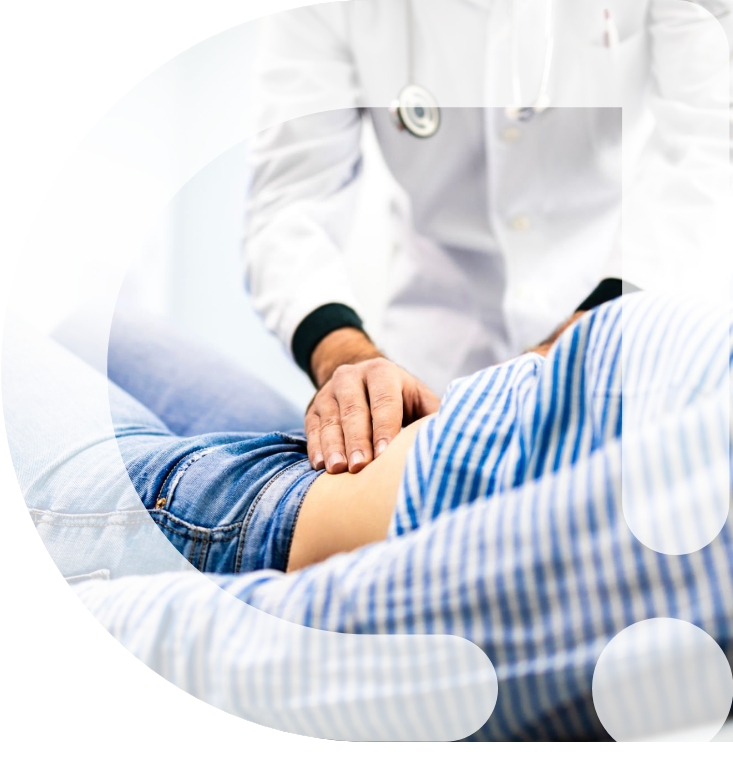
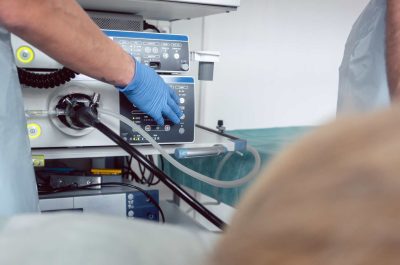
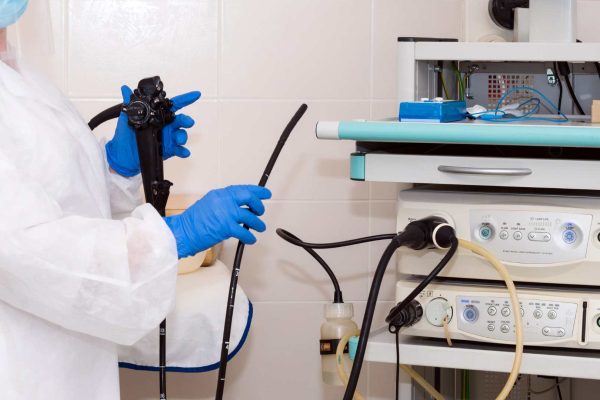
Gastroscopy is a short and safe endoscopic examination that allows direct visualization of the esophagus, stomach, and duodenum. Using a thin, flexible high-definition endoscope, the physician examines the mucosa, performs endoscopic inspection of the stomach, can obtain biopsies, and, when needed, carry out therapeutic procedures.

When is it performed?
Gastroscopy is a valuable tool for diagnosing and treating conditions of the upper digestive system. Dr. Theodoros Argyropoulos recommends the procedure when specific clinical indications are present or when therapeutic intervention is required.
Therapeutic Indications
Gastroscopy can also be used as a therapeutic procedure, allowing for:
Removal of foreign bodies from the esophagus or stomach
Dilations for strictures of the esophagus or pylorus, as well as stent placement
Esophageal variceal ligation with elastic bands for prevention or control of bleeding
Hemostasis in cases of active bleeding (e.g., gastric or duodenal ulcer)
Placement of gastrostomy tubes for feeding in patients with severe dysphagia
Management of achalasia through endoscopic botox injection, balloon dilation, or the POEM technique
Diagnostic Indications
- For persistent pain or burning in the upper abdomen, especially when accompanied by weight loss, loss of appetite, or bleeding
- When dysphagia (difficulty swallowing) or odynophagia (pain while swallowing) is present
- For chronic or treatment-resistant gastroesophageal reflux disease (GERD) symptoms
- When persistent vomiting or hematemesis occurs without a clear cause
- For investigation of iron-deficiency anemia or chronic blood loss
- In cases of chronic diarrhea or malabsorption
- After ingestion of a caustic substance, to assess the degree of injury
- For monitoring precancerous conditions such as intestinal metaplasia, dysplasia, or Barrett’s esophagus
Special Preparation
- Fasting from solid food for 6–8 hours, and clear liquids up to 4 hours before the procedure (unless otherwise instructed)
- Inform your physician about medications (anticoagulants/antiplatelets, antidiabetic drugs), allergies, and any cardiopulmonary history
- If sedation is planned, an accompanying person is required, and driving should be avoided for the rest of the day
- Download Preparation Instructions
How is gastroscopy performed?
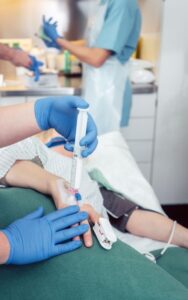
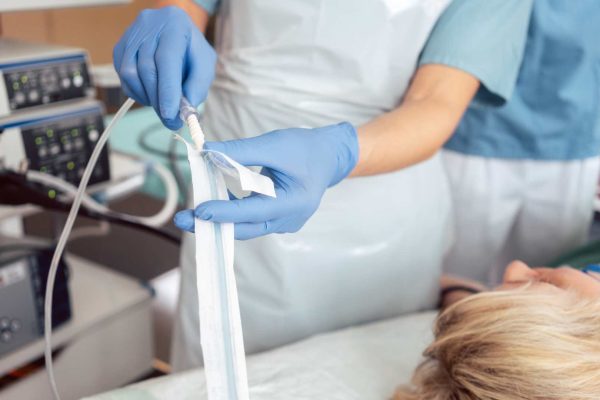
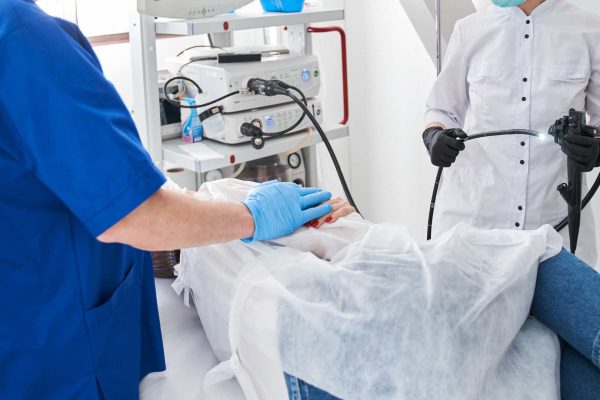
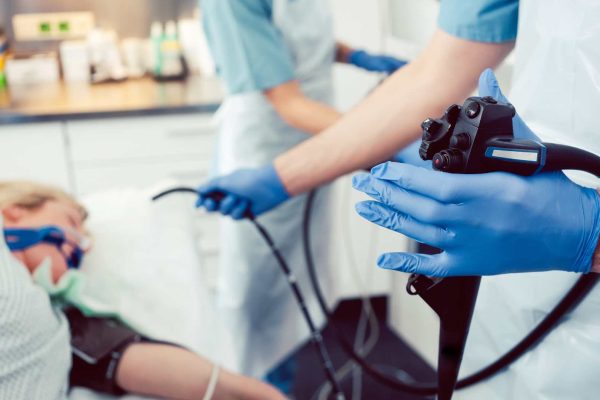
Local anesthetic is applied to the throat, and mild intravenous sedation is usually administered for the patient’s comfort.
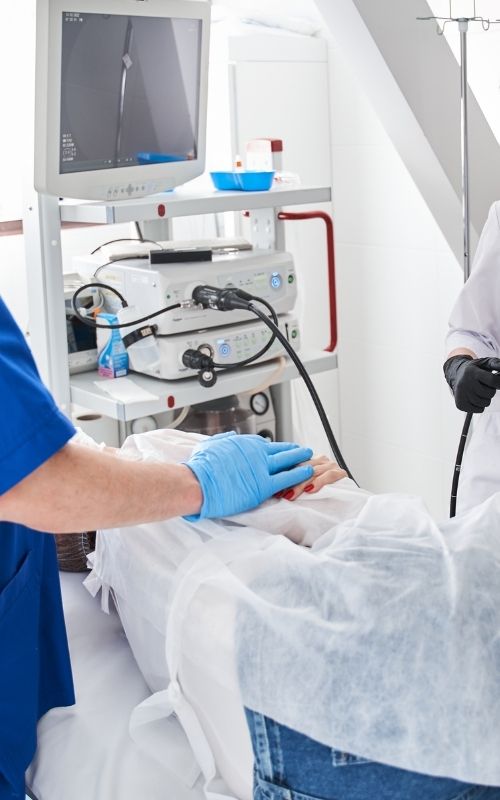
The physician inserts the gastroscope through the mouth, advancing it carefully into the esophagus, stomach, and duodenum.
During the examination, findings are documented, a detailed inspection of the stomach is performed, and, if needed, biopsies or a CLO test may be taken to detect H. pylori.
Gastroscopy is not painful. With the use of sedation, the patient remains relaxed and cooperative throughout the entire procedure.
After Endoscopy
After the procedure is completed, the patient remains for a short recovery period until the effects of sedation fully wear off.
-
Post-procedure Instructions
- It is recommended that you avoid driving and operating machinery for the remainder of the day.
- Mild sore throat or a feeling of bloating may occur, both of which usually resolve on their own within a few hours.
- Regarding nutrition, start with clear liquids or soft foods, gradually returning to your normal diet.
What does gastroscopy show?
Diagnostic Findings
- Through the examination, the following can be identified:
- Gastritis and gastric or duodenal ulcers
- Esophagitis or Barrett’s esophagus Polyps, neoplasms, tumors
- Angiodysplasias and other vascular lesions
- Biopsies & Evaluation
Therapeutic Capabilities
- Through gastric endoscopy, the following can be identified:
- Hemostasis of bleeding ulcers
- Esophageal variceal ligation
- Dilation of strictures
- Polypectomy
- Stent placement
Yes. When evaluation of both the stomach and the lower digestive system is required, gastroscopy and colonoscopy can be performed in a single session.
Gastroscopy is usually performed first, followed by colonoscopy under the same sedation, ensuring maximum comfort and saving time for the patient.
Side Effects & Complications
Gastroscopy is a highly safe procedure when performed by specialized medical professionals. Complications are extremely rare and may include: Mild bleeding, mainly after therapeutic interventions (e.g., polypectomy) Perforation (very rare) Reactions to sedation or temporary respiratory difficulties
In case of prolonged pain, fever, or bloody vomiting after the procedure, contact your physician immediately.
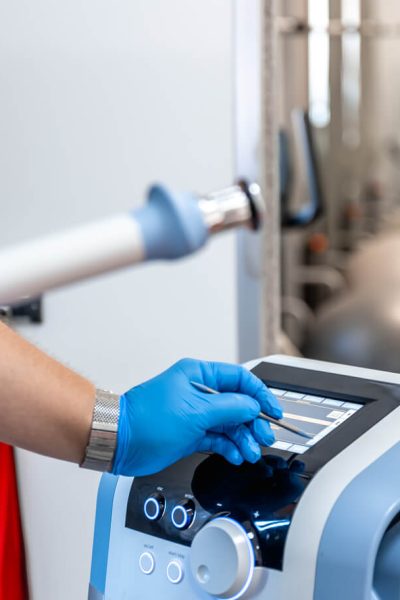
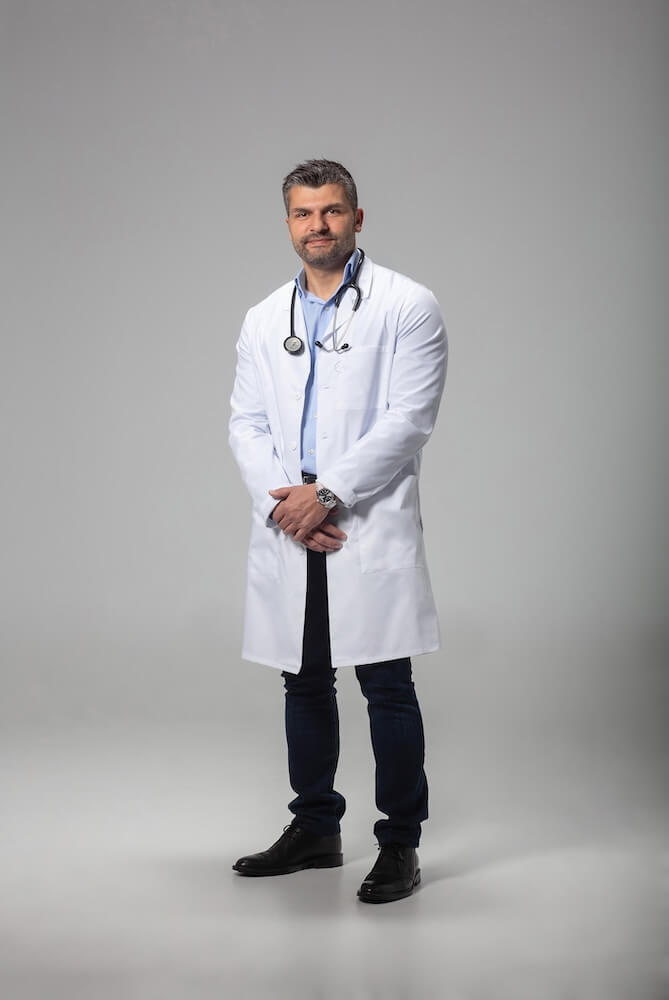
Dr. Theodoros Argyropoulos’ medical team follows all international safety protocols (ESGE), ensuring maximum safety and a painless patient experience.
Frequently Asked Questions (FAQ)
Is gastroscopy painful?
No. With the administration of mild sedation, the procedure is painless and comfortable for the patient.
Will I receive my results immediately?
Macroscopic findings are communicated immediately after the examination. Biopsy results are issued within a few days, following histological analysis.
Do I need to stay at the clinic or hospital?
What about my medication?
When can I eat afterwards?
After recovery and once the numbness in your throat has subsided, you may start with soft foods or liquids.
How can I undergo gastroscopy through EOPYY?
The procedure can be performed in public hospitals or contracted diagnostic centers with an EOPYY referral.
How often should gastroscopy be performed?
Frequency depends on the diagnosis and medical history. In asymptomatic patients, routine gastroscopy is not required. In cases of gastritis, ulcers, or Barrett’s esophagus, follow-up may be recommended every 1–3 years.
Cost and duration?
The duration is usually 10–15 minutes, while the cost depends on the type of procedure (diagnostic or therapeutic) and the facility where it is performed.
Where is gastroscopy performed in Athens?
Gastroscopy is performed at Affidea Peristeri, using modern high-definition equipment and certified sterilization protocols.
Contraindications
-
Absolute Contraindications
Gastroscopy is not performed when:
There is perforation of the gastrointestinal tract
Peritonitis is present
The patient is in an unstable general condition (e.g., severe cardiopulmonary failure or shock)
-
Relative Contraindications
Extra caution or special preparation is required when the following are present:
Coagulation disorders or use of anticoagulant medication
Severe neutropenia or thrombocytopenia
Recent abdominal surgery
Increased risk of perforation, such as in connective tissue disorders or severe inflammation
Early diagnosis saves lives and prevents complications.
If you are experiencing stomach discomfort, upper abdominal pain, heartburn, or if gastroscopy has been recommended by your physician, do not delay your evaluation.
With modern endoscopic technology and the scientific expertise of Dr. Theodoros Argyropoulos, the examination is performed painlessly, safely, and with precision.